Fall Hedge Fertilization: Timing, Ratios, and Techniques for Winter-Ready Hedges
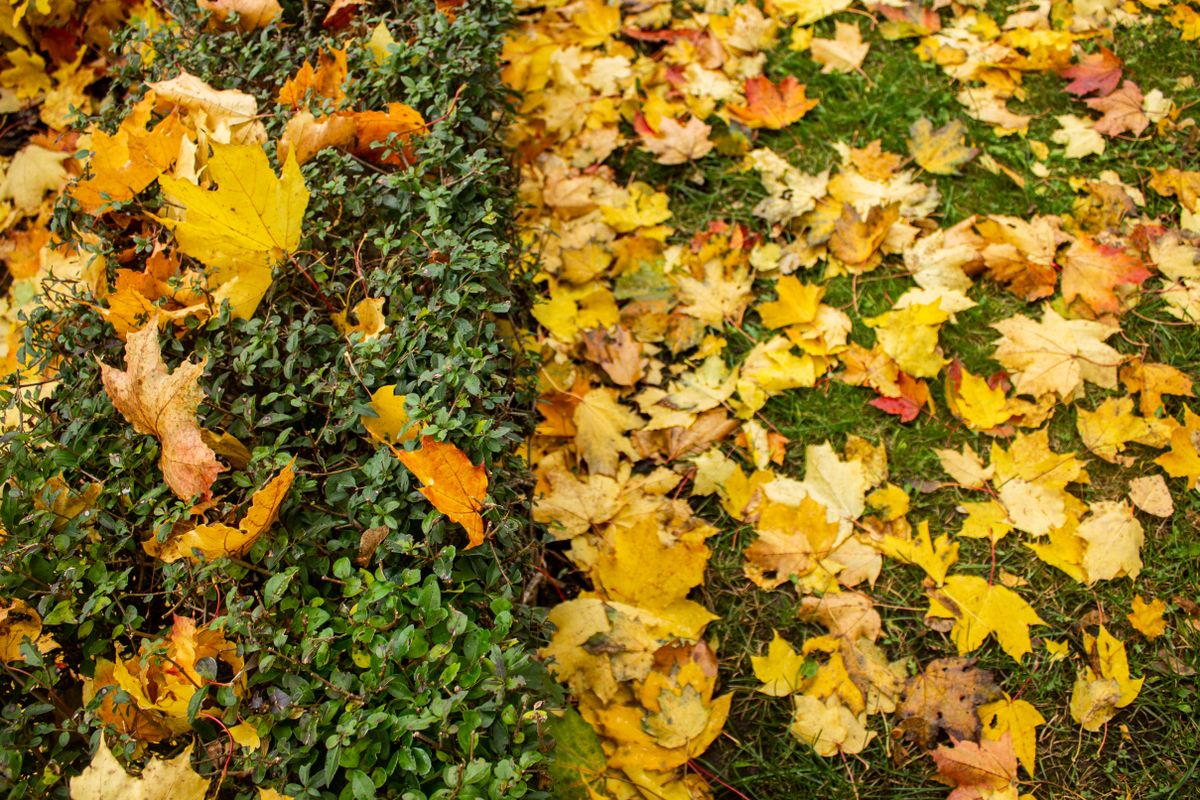
Photo by Natalia Sevruk on Pexels
By Tondio Team · AI-generated content
Learn when and how to fertilize hedges in fall without causing winter damage. Master late-season timing, NPK ratios, and application techniques for healthy, vigorous spring growth.
Fall Hedge Fertilization: Timing, Ratios, and Techniques for Winter-Ready Hedges
Fall hedge fertilization is one of the most misunderstood topics in landscape care. Ask ten gardeners when to fertilize hedges in autumn, and you'll get ten different answers—ranging from "never" to "anytime before frost."
The truth? Fall feeding can be incredibly beneficial for hedges, but only when done at precisely the right time with the right formula. Get the timing wrong by even a few weeks, and you'll cause more harm than good.
This guide will show you exactly when and how to fertilize hedges in fall for maximum winter hardiness and explosive spring growth.
The Critical Fall Timing Window: Why Late Matters
The single most important thing to understand about fall hedge fertilization is this: timing is everything.
AVOID Early Fall (August - September)
Many homeowners fertilize hedges in late summer or early September, thinking they're getting ahead of winter. This is a critical mistake.
Why early fall feeding backfires:
- Stimulates tender new growth when plants should be hardening off
- New shoots won't mature before first frost
- Soft, immature tissue is highly vulnerable to cold damage
- Plants waste energy on foliage instead of root development
- Increases disease and pest susceptibility going into winter
IDEAL: Late Fall (Late October - Early November)
The optimal window for fall hedge fertilization is after the first killing frost but before the ground freezes solid.
Why late fall feeding works:
- Plants are fully dormant—no new top growth
- Roots remain active underground for several more weeks
- Nutrients are stored in root systems for spring use
- Focuses energy on root development, not foliage
- Minimizes risk of winter damage
Regional Timing Adjustments:
- Northern zones (5-6): Mid to late October
- Central zones (7-8): Late October to early November
- Southern zones (9-10): Mid November
Pro Tip: Set late fall hedge fertilization reminders in Tondio based on your first frost date—timing is everything for successful fall feeding.
Understanding Fall NPK Ratios for Hedges
Not all fertilizers are appropriate for fall application. The NPK ratio you choose makes the difference between winter-hardy hedges and cold-damaged disasters.
Why Lower Nitrogen in Fall
Nitrogen (N) promotes leaf and stem growth—exactly what you DON'T want stimulated in fall. High nitrogen formulas applied in autumn push soft, tender growth that won't survive freezing temperatures.
Fall feeding should focus on:
- Root development (phosphorus)
- Cell wall strength (potassium)
- Nutrient storage for spring
- Winter hardiness
Recommended Fall NPK Ratios
Balanced Formulas (Safest Choice):
- 10-10-10 (equal nutrition)
- 12-12-12 (slightly higher concentration)
- 14-14-14 (for mature, established hedges)
Lower Nitrogen Options (Even Safer):
- 5-10-10 (minimal nitrogen boost)
- 8-10-10 (conservative fall formula)
Slow-Release Formulas (Best for Fall):
- 18-6-18 (6-month slow release)
- 16-5-9 (controlled nutrient release)
What to AVOID in Fall
Skip these high-nitrogen formulas until spring:
- 20-10-10 or higher first number
- 21-7-14 (privet spring formula)
- 30-0-10 (lawn fertilizer—too much N)
Evergreen vs. Deciduous Considerations
Evergreen Hedges (boxwood, yew, arborvitae, juniper):
- More tolerant of fall fertilization
- Use balanced formulas (10-10-10, 12-12-12)
- Can handle standard application rates
Deciduous Hedges (privet, lilac, viburnum):
- Some species are sensitive to fall feeding
- Caution with: azaleas, hollies, hydrangeas, red maples, sugar maples
- Use 50% of normal application rate for sensitive species
Track Your Results: Log NPK ratios in Tondio to see which fall formulas work best for your hedge types year after year.
Slow-Release: Your Fall Safety Net
If there's one type of fertilizer made for fall hedge feeding, it's slow-release granular formulas.
Why Slow-Release Matters in Fall
6-7 month slow-release fertilizers:
- Release nutrients gradually over winter
- Prevent sudden growth spikes
- Significantly reduce fertilizer burn risk
- Feed roots continuously without pushing foliage
- Provide nutrients exactly when spring growth begins
Quick-Release Risks
Quick-release (water-soluble) fertilizers dump nutrients immediately. In fall, this means:
- Too much available nitrogen at once
- Higher chance of stimulating unwanted growth
- Greater burn potential on evergreen foliage
- Nutrients can leach away before roots absorb them
Bottom line: Invest in slow-release formulas for fall hedge feeding.
Application Methods for Fall Hedges
Proper application technique is just as important as timing and formula choice.
Step-by-Step Fall Application
Step 1: Wait for First Killing Frost Don't guess—wait until you've had a hard freeze that kills tender annuals and drops deciduous leaves.
Step 2: Water Day Before Thoroughly water hedges 24 hours before fertilizing. Moist soil helps nutrients reach roots and reduces burn risk.
Step 3: Check Weather Apply when:
- Leaves are completely dry (prevents scorch)
- No rain forecast for 24 hours (then water yourself)
- Daytime temps above 40°F (soil still workable)
Step 4: Calculate Application Rate Fall applications should be lighter than spring:
- Use 2-3 lbs per 100 linear feet (versus 3-4 lbs in spring)
- Apply to both sides of hedge
- Example: 50-foot hedge = 1-1.5 lbs total fertilizer
Step 5: Broadcast Evenly
- Use drop spreader for precision or broadcast spreader for long hedges
- Walk along both sides of hedge
- Overlap slightly to avoid gaps
Step 6: Water Thoroughly Water with ½ to 1 inch within 24 hours to activate fertilizer and move nutrients into root zone.
Track Your Applications: Log each fall fertilization in Tondio with NPK ratio, amount applied, and application date to compare results year-over-year and perfect your timing.
5 Common Fall Hedge Fertilization Mistakes
1. Fertilizing Too Early (The #1 Mistake)
Applying fertilizer in August or early September when plants are still actively growing defeats the entire purpose of fall feeding. Wait until late October at the earliest.
2. Using High-Nitrogen Formulas
That 20-10-10 or 30-0-10 you used in spring will push exactly the wrong type of growth in fall. Stick with balanced or low-nitrogen ratios.
3. Over-Fertilizing
Fall applications should be 30-50% lighter than spring rates. More is NOT better—especially in fall.
4. Applying to Wet Leaves
Fertilizer granules stick to wet evergreen foliage and cause brown scorch marks. Always apply when leaves are completely dry.
5. Fertilizing Frozen Ground
Once soil temperature drops below 40°F, roots stop absorbing nutrients effectively. Your fertilizer just sits there until spring runoff washes it away.
Avoid Timing Mistakes: Set fall fertilization reminders in Tondio for late October so you don't forget the critical timing window.
Which Hedges Benefit Most from Fall Feeding?
Not all hedges are good candidates for fall fertilization. Here's how to decide:
Best Candidates for Fall Feeding
- Established evergreen hedges (3+ years old)
- Boxwood, yew, arborvitae, juniper, holly
- Hedges that showed summer stress (drought, heat)
- Mature hedges needing root support
Proceed with Caution
- Newly planted hedges (skip first year entirely)
- Azaleas, rhododendrons, hydrangeas (use 50% rate)
- Deciduous flowering hedges (viburnum, lilac)
- Red maples, sugar maples (reduce application by half)
Skip Fall Feeding Entirely
- First-year plantings (focus on establishment)
- Hedges fertilized heavily in late summer
- Diseased or unhealthy hedges
- Hedges showing active new growth
Your Fall Hedge Fertilization Action Plan
Ready to prepare your hedges for winter? Follow this checklist:
Step 1: Identify Your Hedge Type
Determine if you have evergreen or deciduous hedges, and note any sensitive species (azaleas, maples, hollies).
Step 2: Mark Your Calendar
Wait for first killing frost in your area. Don't rush this—patience pays off.
Step 3: Choose Your Formula
Select a balanced or low-nitrogen slow-release fertilizer (10-10-10, 18-6-18, or 16-5-9).
Step 4: Calculate Hedge Length
Measure linear footage and calculate fertilizer needed: 2-3 lbs per 100 linear feet.
Step 5: Apply Late October - Early November
Wait until plants are fully dormant but before ground freezes solid.
Step 6: Water Before and After
Moist soil before application, thorough watering after to activate nutrients.
Step 7: Document Everything
Record application date, NPK ratio, amount used, and hedge response for next year.
Manage Multiple Hedges: Track fall fertilization for different hedge types in Tondio with NPK ratios, application dates, and coverage areas for each hedge.
The Benefits of Proper Fall Hedge Feeding
When done correctly, fall hedge fertilization delivers significant benefits:
- Stronger root systems developed during dormancy
- Earlier spring green-up from stored nutrients
- Improved cold tolerance and winter survival
- Reduced spring fertilization needs (nutrients already in place)
- More uniform, vigorous growth next season
- Better drought resistance from robust root development
The Bottom Line
Fall hedge fertilization is a powerful tool for building winter-hardy, vigorous hedges—but only when timed correctly.
Remember the golden rule: Late fall only, never early fall. Wait until after the first killing frost when plants are fully dormant. Use balanced or low-nitrogen slow-release formulas. Apply lighter rates than spring. Water thoroughly.
When in doubt, skip fall feeding entirely and wait for spring. It's safer to miss a fall application than to fertilize too early and damage your hedges before winter.
Get the timing right, and your hedges will reward you with robust spring growth and superior cold tolerance.
Ready to master fall hedge fertilization timing? Start tracking your schedule in Tondio today and never miss the optimal window again.
Photo by ClickerHappy on Pexels