How to prep frozen or waterlogged soil for spring seeding (soil conditions that kill results)
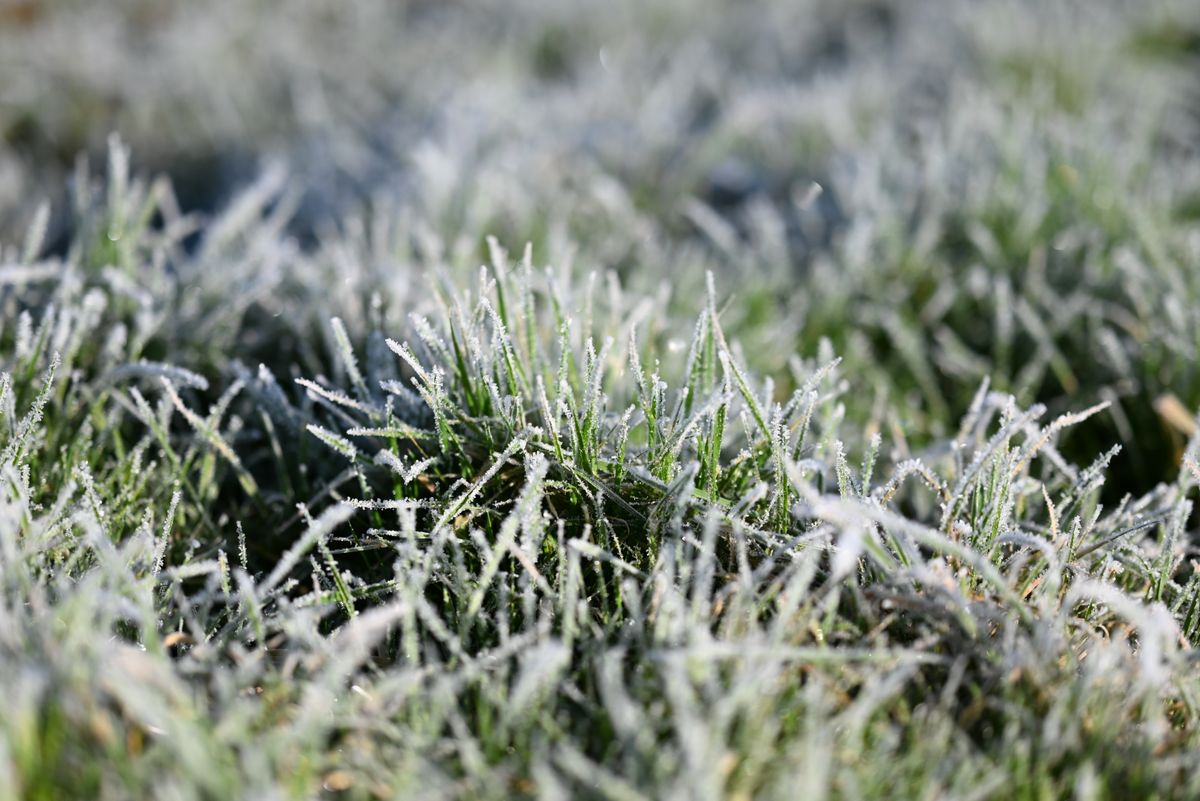
Photo by JacLou- DL on Pexels
By Tondio Team · AI-generated content
Spring seeding fails start in winter. Learn how to diagnose compaction, drainage, and soil structure problems before they kill your germination rates.
Your spring seeding failure started three months ago, and you didn't even know it.
While your clients are dreaming about lush April lawns, their soil is screaming warnings you can't hear. That frozen ground or waterlogged mess isn't just waiting for spring—it's actively sabotaging your germination rates. Compaction is settling deeper. Ice lenses are destroying soil structure. Anaerobic conditions are killing beneficial microbes. By the time the ground thaws enough to seed, the damage is done.
The professionals who win spring contracts don't start prepping when temperatures hit 50°F. They're diagnosing problems right now, in the dead of winter, when frozen and saturated soil reveals structural failures that warm, dry conditions hide. Here's how to read what your soil is telling you—and fix it before your competition even shows up with a seed spreader.
Test for Compaction Now (While the Evidence Is Frozen in Place)
Compacted soil doesn't announce itself with a sign. It kills your seeding results quietly, preventing root penetration and drowning seeds in surface water that can't percolate down. Winter is actually the best time to identify compaction because frozen soil holds its structure, and waterlogged areas show you exactly where drainage has failed.
The 30-Second Foot Test
Walk the property during a partial thaw or after a winter rain. Your boots tell you everything:
- Immediate water pooling around your footprints: Severe compaction with less than 1 inch of drainage capacity per hour
- Footprints fill with water within 10-15 seconds: Moderate compaction, likely 4-6 inches deep
- No standing water but visible boot impressions deeper than 1 inch: Surface compaction from traffic or equipment
- Minimal impression, water absorbed within 5 seconds: Good soil structure
Pro tip: Take photos of problem areas with Tondio's location tagging feature. When you return in spring, you'll know exactly which zones need pre-seeding intervention—and you'll have dated proof of pre-existing conditions for clients who question your recommendations.
The Screwdriver Probe Test
Before the ground freezes solid (or during winter thaws), grab a standard 8-inch flathead screwdriver:
- Push the screwdriver into the soil using only hand pressure (no hammering)
- Note the depth where you hit significant resistance
- Repeat in 5-10 locations across the property
Results diagnosis:
- Stops at less than 3 inches: Critical compaction requiring core aeration before any seeding
- Moderate resistance at 3-5 inches: Workable but needs aeration for optimal seed-to-soil contact
- Penetrates 6+ inches easily: Good structure for spring seeding
Mark severely compacted areas now. They'll need double-pass core aeration (perpendicular patterns) and potentially soil amendment applications that require 4-6 weeks of settling time before seeding.
What Frozen Ground Actually Tells You
That rock-hard surface isn't just cold—it's revealing problems:
- Ground freezes faster than surrounding areas: Low organic matter content (typically below 3%), poor moisture retention
- Ice sheet formation on the surface: Clay-heavy soil with poor drainage, likely to crust and prevent seed germination
- Frost heaves and uneven freezing patterns: Inconsistent soil composition, which means inconsistent germination and patchy results
Common mistake: Assuming all hard winter ground is the same. Healthy soil with good structure freezes differently than compacted clay. Learn to feel the difference by testing areas you know have good drainage against problem zones.
Diagnose Drainage Failures Before Spring Thaw Creates Chaos
Spring pooling doesn't start in spring. The drainage problems that will drown your seed in April are forming right now under snow and ice. Winter gives you a preview of every low spot, compaction zone, and grade problem that will sabotage germination.
Map Your Drainage Pattern During Winter Events
After snowmelt or winter rain, spend 20 minutes walking the property:
- Where does water accumulate first? These are your primary problem zones.
- Where does water still stand 24 hours later? Critical drainage failure requiring intervention.
- What's the flow pattern? Trace water movement to identify grade issues.
Use Tondio to drop pins at every standing water location and add notes about depth and duration. When you build your spring prep plan, you'll know exactly which areas need drainage correction before seeding versus which just need adjusted seed rates.
The 24-Hour Water Test
During a winter thaw when soil temps are 35-40°F:
- Pour 1 gallon of water into a problem area
- Mark the spot with a flag
- Check at 6, 12, and 24 hours
Drainage rate diagnosis:
- Water absorbed in less than 6 hours: Adequate drainage, safe for spring seeding
- Standing water at 6-12 hours: Slow drainage, needs aeration and possibly sand amendment
- Still pooled at 24+ hours: Failed drainage requiring French drain, regrading, or rain garden solution
Why this matters for seeding: Grass seed germination requires consistent moisture, not saturation. Soil that can't drain within 12 hours creates anaerobic conditions that rot seed and kill emerging seedlings. You're not planting grass in these areas—you're composting expensive seed.
Winter Drainage Solutions That Need Time to Settle
If you identify drainage problems now, these fixes need to happen 6-8 weeks before spring seeding (meaning February-March in most zones):
For minor drainage issues (6-12 hour pooling):
- Core aeration with sand topdressing: Pull 3-4 inch cores, apply ¼ inch of coarse sand, brush in
- Gypsum application: 40 lbs per 1,000 sq ft breaks up clay, improves percolation
- Needs 2-3 rain events or irrigation cycles to integrate before seeding
For moderate issues (12-24 hour pooling):
- Double-pass core aeration with compost topdressing: Improves structure and drainage
- Dry creek bed installation: If grade allows, channel water away from seeding areas
- Needs 4-6 weeks of settling and at least one freeze-thaw cycle
For severe failures (24+ hour standing water):
- Don't seed. Period. Install French drains or catch basins, or convert to water-tolerant groundcover.
- Core aeration won't fix this—you're fighting grade and soil composition.
Track your drainage fixes in Tondio with before/after photos and application dates. When spring arrives, you'll know exactly which areas got what treatment and when they're ready for seed.
Time Your Aeration and Dethatching to Soil Conditions, Not the Calendar
The biggest spring seeding mistake pros make? Aerating and dethatching on a schedule instead of by soil conditions. Punch holes in frozen ground and you're just damaging equipment. Dethatch waterlogged turf and you're ripping out crowns and creating disease entry points.
Core Aeration Timing Windows
Soil temperature and moisture content matter more than the date:
Ideal conditions for pre-seeding aeration:
- Soil temp: 40-50°F at 2-inch depth (use a soil thermometer, not air temp)
- Soil moisture: Moist but not saturated (soil holds shape when squeezed but doesn't drip)
- Ground thaw: Complete to 4-inch depth (your screwdriver should penetrate easily)
Timeline for most temperate zones:
- Late February-March: Southern regions (Zones 7-9)
- Late March-April: Mid-Atlantic and Midwest (Zones 5-6)
- April-May: Northern regions (Zones 3-4)
Why timing matters: Aerating too early in partially frozen ground produces shallow cores and damages equipment. Aerating saturated soil creates compaction around the holes—literally the opposite of what you want. Wait for that 40°F+ soil temp and moisture sweet spot.
Set soil temperature reminders in Tondio for each property based on their microclimate. That south-facing commercial lot will be ready 2-3 weeks before the shaded residential property across town.
Dethatching Frozen vs. Waterlogged Turf
Thatch layer assessment needs to happen before the ground freezes, but timing the removal is critical:
Test your thatch depth:
- Cut a small wedge of turf 3-4 inches deep
- Measure the brown, spongy layer between green grass and soil
- Less than ½ inch: No dethatching needed before spring seeding
- ½ to ¾ inch: Light dethatching, can be done during spring prep
- Over ¾ inch: Heavy dethatching required, needs 3-4 weeks of recovery before seeding
Dethatching timing rules:
- Never dethatch frozen ground: You'll just scalp turf and damage crowns
- Never dethatch saturated soil: Rips out plants by the roots, creates disease pathways
- Optimal window: Soil temps 45-55°F, active root growth beginning, firm but workable soil
Pro timing strategy: If thatch exceeds ¾ inch, dethatch in late winter (4-6 weeks before your seeding date), then follow with core aeration 2 weeks later, then seed. This gives the turf time to recover from dethatching stress before you introduce new seed competition.
The Aeration-Amendment-Settling Timeline
Here's what separates pros from amateurs: understanding that soil needs time to respond to amendments. You can't aerate, top-dress, and seed in the same day and expect optimal results.
The 6-week pre-seeding prep schedule:
Week 0 (6 weeks before seeding):
- Heavy dethatching if needed (only if thatch >¾ inch)
- Soil test if you haven't done one in the last 12 months
Week 2:
- First pass core aeration (if soil conditions allow)
- Lime or sulfur application based on soil test (pH adjustment needs 4-6 weeks)
Week 3:
- Compost or sand topdressing (¼ to ½ inch layer)
- Drag mat or brush to work material into aeration holes
Week 4:
- Second pass core aeration (perpendicular to first pass) if compaction was severe
- Starter fertilizer application (use half rate, save half for seeding day)
Week 5:
- Monitor soil temperature daily (target 50°F+ for cool-season grass)
- Pre-germinate a soil sample to test conditions
Week 6:
- Seeding when soil temps are stable at 50°F+ for 3 consecutive days
Photo by Magda Ehlers on Pexels
Track this entire timeline in Tondio with task reminders and photo documentation. When clients see dated photos showing the progression from compacted soil to prepped seedbed, they understand why your bids are higher—and why your results are better.
Apply Winter Amendments That Need Settling Time
Soil amendments aren't instant. The products that fix your spring seeding problems need weeks or months of microbial activity, moisture cycling, and freeze-thaw action to integrate properly. Winter application is your secret weapon.
Lime and Sulfur: The 60-Day pH Fix
Soil pH affects everything: nutrient availability, microbial activity, seed germination rates, disease resistance. But pH adjustment is slow.
Winter lime application benefits:
- Calcitic or dolomitic lime needs 60-90 days to raise pH significantly
- Winter moisture from snow and rain accelerates breakdown
- Freeze-thaw cycles help incorporate lime into soil structure
- Application window: December-February for April seeding
Application rates (always verify with soil test):
- To raise pH by 0.5 points: 25-50 lbs lime per 1,000 sq ft (depends on soil type)
- To raise pH by 1.0 point: 50-100 lbs per 1,000 sq ft
- Sandy soil: Lower end of range
- Clay soil: Higher end of range
Sulfur for lowering pH:
- To lower pH by 0.5 points: 5-10 lbs elemental sulfur per 1,000 sq ft
- Slower acting than lime—needs 90-120 days
- Apply in late fall or early winter for spring seeding benefit
Common mistake: Applying lime and sulfur in the same year. Choose one based on your soil test, wait 90 days, retest, then adjust. Trying to change pH by more than 1 point in a single season usually fails.
Gypsum for Clay and Compaction
Gypsum (calcium sulfate) doesn't change pH, but it's a winter miracle worker for heavy clay soils:
What gypsum does:
- Breaks apart clay particles through ionic exchange
- Improves water infiltration and air exchange
- Reduces compaction and surface crusting
- Works best with 2-3 freeze-thaw cycles before seeding
Application strategy:
- Rate: 40 lbs per 1,000 sq ft for compacted clay
- Timing: January-February for spring seeding
- Method: Broadcast over snow (melting helps carry it into soil) or apply to bare ground before winter rain
- Combine with core aeration: If ground isn't frozen, aerate first, then apply gypsum—it works faster when it can penetrate deeper
Expected timeline: You'll see drainage improvement in 4-6 weeks with adequate moisture. This puts you right in the spring seeding window.
Compost and Organic Matter: The Slow Build
Organic matter is the foundation of healthy soil, but it needs time to integrate:
Winter compost topdressing benefits:
- Microbial populations establish before spring growth surge
- Freeze-thaw cycles break down organic materials
- Nutrients become plant-available by seeding time
- Improves water retention by 20-30% in sandy soils
Application guidelines:
- Quality compost only: Fully decomposed, no weed seeds, 40-50% organic matter content
- Rate: ¼ to ½ inch layer (0.75 to 1.5 cubic yards per 1,000 sq ft)
- Timing: Late winter (February-March) after core aeration
- Method: Broadcast and drag mat into aeration holes
Pro tip: Apply compost 3-4 weeks before seeding, not the same day. This gives soil biology time to colonize the new organic matter, creating the microbial activity that helps seed germination and early root development.
Document all amendment applications in Tondio with product names, rates, and coverage areas. When you return for seeding, you'll know exactly what each zone received—and when clients ask why their lawn looks better than their neighbor's, you have timestamped proof of your process.
Read Early Warning Signs Hiding in Winter Conditions
Your soil is talking. Most people just don't speak the language. Winter reveals deficiencies and problems that green grass masks in summer. Learn to read these signals and you'll diagnose issues before they kill your spring seeding investment.
Moss and Algae: The pH and Drainage Tell
Moss growth in winter isn't just an aesthetic problem—it's a diagnostic tool:
What moss tells you:
- Thick moss in shaded areas: Low pH (typically below 6.0), poor air circulation
- Moss in full sun areas: Severe compaction and waterlogging
- Moss along edges and curbs: Drainage failure, standing water
Action items:
- Soil test the moss-covered areas (pH is likely 5.0-5.8)
- Lime application: 50-75 lbs per 1,000 sq ft to raise pH to 6.5-7.0
- Core aeration: Moss thrives in compacted soil with poor air exchange
- Don't just remove moss: Fix the underlying problem or it returns
Algae presence:
- Green, slimy coating on soil surface: Waterlogged conditions, anaerobic soil
- Black or dark algae: Severe drainage failure, likely pH issues
- Algae in winter means disaster in spring: Seed will rot in these conditions
Fix before seeding:
- Address drainage (see drainage section above)
- Core aeration with sand topdressing
- Consider reducing seeding rate by 30% in formerly algae-covered areas and use water-tolerant varieties
Bare Patches: Winter Diagnosis Gold
Not all bare spots are created equal. Winter reveals the cause:
Bare patch diagnosis:
Pattern: Circular, 6-12 inch diameter
- Cause: Disease (snow mold, brown patch residual)
- Soil test: Often shows pH imbalance or nitrogen excess
- Fix: Fungicide in late winter if active, adjust pH, seed with disease-resistant varieties
Pattern: Linear or traffic-pattern bare spots
- Cause: Compaction and wear
- Screwdriver test: Usually fails at 2-3 inches
- Fix: Double-pass core aeration, overseeding at 2x normal rate
Pattern: Irregular patches along slopes or low areas
- Cause: Erosion or waterlogging
- Visual: Exposed soil, sometimes with standing water
- Fix: Grade correction, erosion control blanket, possibly sod instead of seed
Pattern: Large areas with spotty grass coverage
- Cause: Soil nutrient deficiency or pH problem
- Soil test: Required—usually low phosphorus or pH below 5.5
- Fix: Targeted amendment based on test, aggressive overseeding
Pro move: Take detailed photos of every bare patch in late winter with Tondio, noting size, pattern, and surrounding conditions. When you create your seeding plan, you'll know which areas need standard treatment versus special intervention. This also gives you before/after documentation that closes next year's contracts.
Crust Formation: The Germination Killer
Soil crusting appears after winter freeze-thaw cycles and heavy rain:
Visual indicators:
- Hard, sealed surface layer (like dried concrete)
- Water sheets off instead of penetrating
- Appears most commonly on clay soils and compacted areas
Why this destroys spring seeding:
- Prevents seed-to-soil contact
- Blocks emerging seedlings (germination happens underground, then seedlings can't break through)
- Creates anaerobic surface conditions
Prevention and fix:
- Core aeration: Break up crust before seeding
- Topdressing: ¼ inch compost or sand layer prevents reformation
- Seed coverage: Light rake after seeding to ensure seed is under the crust, not on top
- Irrigation adjustment: Light, frequent watering keeps crust soft during germination (daily for 10-15 minutes, not heavy soaking)
Timing note: If you see crust formation in late winter, plan to aerate within 2 weeks of seeding, not 4-6 weeks before. The crust will reform if you aerate too early.
Your Winter-to-Spring Soil Prep Action Plan
Stop gambling with spring seeding results. Here's your diagnostic and preparation checklist, timed to soil conditions instead of calendar dates:
8-10 Weeks Before Target Seeding Date (Late Winter):
- Conduct soil tests in all planting zones
- Map drainage patterns after rain/snowmelt events
- Run screwdriver compaction tests across property
- Document problem areas (moss, algae, bare patches, crusting) with photos
- Apply lime or sulfur based on soil test results
- Apply gypsum to clay/compacted areas
6 Weeks Before Seeding:
- Heavy dethatching if thatch exceeds ¾ inch
- Monitor soil temperature daily (waiting for consistent 40°F+ at 2-inch depth)
4 Weeks Before Seeding:
- First core aeration pass when soil conditions are optimal
- Compost or sand topdressing application
- Drag mat amendments into aeration holes
2-3 Weeks Before Seeding:
- Second core aeration pass (perpendicular) if compaction was severe
- Apply half-rate starter fertilizer
- Address any remaining drainage issues
- Monitor soil temps (waiting for consistent 50°F+)
1 Week Before Seeding:
- Final site inspection for drainage, compaction, and surface conditions
- Light aeration if crusting has reformed
- Pre-germination test (wet paper towel test with actual seed you'll use)
- Verify all equipment is ready
Seeding Day:
- Apply remaining half of starter fertilizer
- Seed at appropriate rate for conditions
- Light rake for seed-to-soil contact
- Set irrigation schedule (light and frequent for germination)
- Document everything in Tondio
Use Tondio to:
- Set temperature and timeline reminders for each phase
- Track multiple properties with different soil conditions and timing needs
- Document the entire process with dated photos
- Calculate coverage for amendments and seed across different zones
- Build client reports showing your comprehensive prep process
The Difference Between Mediocre and Exceptional Spring Results
Your competition is buying seed right now and planning to show up in April with a spreader. They'll broadcast premium seed over compacted, poorly-drained, pH-imbalanced soil and wonder why germination is patchy. They'll blame the seed, the weather, or the client's irrigation.
You're reading soil conditions in February. You're fixing structural problems while the ground is still frozen. You're applying amendments that need 60 days to work. You're documenting every phase of preparation.
When April arrives and your seed germinates at 80%+ while theirs struggles to hit 50%, it's not luck. It's winter preparation that nobody else bothered to do.
Start diagnosing now. Your spring success depends on what you do this week, not what you do when the weather warms up.
Ready to track your soil prep timeline and never miss a critical window? Tondio keeps you on schedule across multiple properties, documents your process with photos and notes, and helps you build the systematic approach that separates professionals from weekend warriors. Your spring seeding results start with winter preparation—and both start with better tracking.