Should you aerate in late winter? The real answer for different grass types and soil conditions
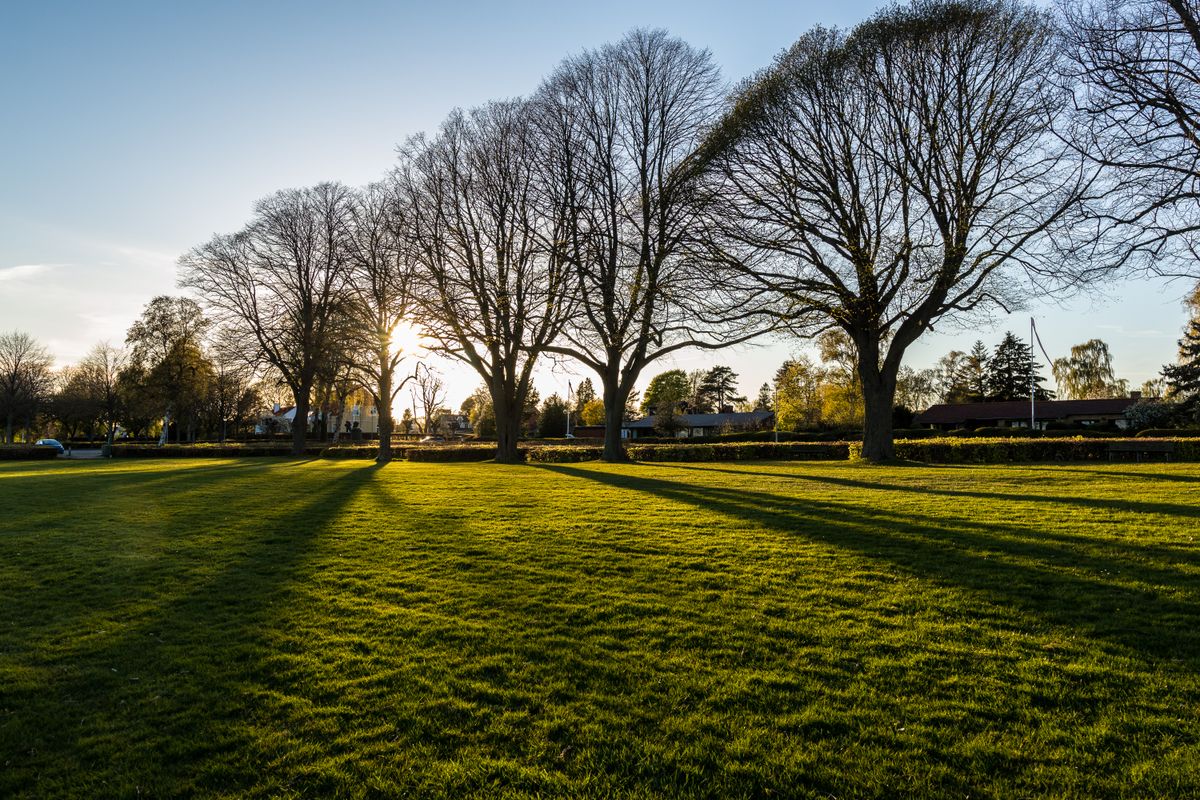
Photo by Igor Meghega on Pexels
By Tondio Team · AI-generated content
Late winter aeration can save or destroy your lawn. Learn exactly when to aerate based on grass type, soil conditions, and regional climate factors.
Your neighbor just punched 10,000 holes in their lawn last weekend. The temperature hit 45°F for three consecutive days, they saw a YouTube video about "early spring aeration," and now their yard looks like a golf course maintenance crew went wild. Fast forward two weeks: an unexpected hard freeze, followed by standing water, and now their grass looks worse than it did in January.
Late winter aeration is one of the most misunderstood practices in lawn care. The conventional wisdom says "aerate in spring," but that vague timing advice causes more problems than it solves. The reality? Whether you should aerate in late winter depends entirely on your grass type, soil conditions, and what your local weather is actually doing—not what the calendar says.
Here's how to make the right call for your specific lawn and avoid the costly mistakes that turn a beneficial practice into a recovery project.
Why Dormant-Season Aeration Works Differently (And When It Doesn't)
Aeration during dormancy operates on completely different principles than growing-season aeration. Understanding this distinction is critical to timing success.
The Dormancy Advantage
When you aerate during true dormancy (grass is fully dormant, not just slow-growing), you're essentially performing surgery on a patient under anesthesia. The grass can't respond to the disturbance, but it also can't heal. This means:
- Zero recovery stress on the plant itself
- Maximum soil access without damaging active root systems
- Ideal conditions for amendments to settle before spring growth
- No competition from weeds that would colonize open spaces during active growth
The catch? You need the soil and weather to cooperate, and you need to time it so the grass can begin recovery immediately when it breaks dormancy.
The Dormancy Trap
Here's where most people get burned: aerating too late in dormancy, right before fluctuating temperatures begin.
When you punch holes in compacted soil and then subject it to freeze-thaw cycles, you create:
- Frost heave damage that tears roots and crowns apart
- Water channels that concentrate freeze damage in specific areas
- Delayed green-up because damaged crowns take longer to activate
- Increased weed pressure in areas where grass recovery is compromised
The window between "safe dormant aeration" and "spring active growth aeration" is often just 2-3 weeks, and it's almost impossible to predict perfectly.
Pro tip: If your 10-day forecast shows any nighttime temperatures below 25°F after aeration, you've timed it wrong. Wait for consistent soil temperatures above 40°F (for cool-season) or 65°F (for warm-season) before aerating.
Test Your Soil Compaction Before You Commit
Don't aerate on a schedule. Aerate based on actual soil conditions. Many lawns don't need annual aeration, and some need it twice a year. Here's how to know for sure.
The Screwdriver Test
The fastest field test for compaction:
- Take a standard flathead screwdriver (6-8 inches long)
- Push it into your soil at a 90-degree angle after a typical watering or rain event (soil should be moist, not saturated)
- Apply firm, steady pressure—don't stab or force it
Results interpretation:
- Slides in with minimal resistance to 6+ inches: Your soil isn't compacted; aeration likely isn't needed
- Stops at 3-4 inches with significant resistance: Moderate compaction; aeration will provide benefit
- Can barely penetrate 2 inches or less: Severe compaction; aeration is critical
The Infiltration Test
Measures how quickly water moves through your soil:
- Remove both ends of a coffee can or similar cylinder
- Push one end 2-3 inches into the soil
- Fill with water and mark the water level
- Time how long it takes for water to drop 1 inch
Results interpretation:
- Less than 5 minutes: Good infiltration; compaction isn't your issue
- 5-15 minutes: Moderate compaction affecting drainage
- 15+ minutes: Severe compaction; water is pooling because it can't penetrate
Document your tests in Tondio with photos and notes at specific locations. This gives you year-over-year data to track whether your aeration program is actually improving soil conditions or if you're just poking holes out of habit.
Traffic Pattern Assessment
Your high-traffic areas need aeration more frequently than your entire lawn. Test and treat these zones separately:
- Paths from driveway to front door
- Play areas or where pets consistently run
- Edges along sidewalks where foot traffic cuts corners
- Anywhere vehicles regularly park or drive (even occasionally)
If only 20% of your lawn is truly compacted, spot-aerate those areas instead of treating the entire property. You'll save time, reduce stress on healthy areas, and focus your effort where it actually matters.
Frost Heave Risk Assessment: When Winter Aeration Destroys Your Lawn
Frost heave is the silent killer of late-winter aeration timing. It happens when soil moisture freezes, expands, and literally lifts the ground—pulling grass crowns and roots apart in the process.
Understanding Your Freeze-Thaw Risk
Your frost heave risk depends on three factors:
1. Soil moisture content
- Saturated soils have the highest heave risk
- Well-drained soils are relatively safe
- The danger zone: Moist but not saturated—just enough water to freeze and expand
2. Frequency of freeze-thaw cycles
- One hard freeze, then consistent cold: minimal risk
- Daily fluctuations across the freezing point: maximum damage
- Most dangerous period: Late winter when daytime temps hit 40-50°F but nights drop to 20-30°F
3. Your soil type
- Clay soils: Hold moisture longer, highest heave risk, slowest to thaw consistently
- Loamy soils: Moderate risk, most common in residential lawns
- Sandy soils: Drain quickly, lowest heave risk, earliest safe aeration window
The Regional Reality Check
USDA Zones 3-5 (Northern regions):
- Late winter aeration is rarely advisable
- Freeze-thaw cycles commonly continue through April
- Wait until consistent soil temps above 45°F (typically late April to early May for cool-season grass)
- Exception: If you're on pure sand with excellent drainage
USDA Zones 6-7 (Transition zones):
- The trickiest timing window because weather varies dramatically year to year
- Some years you can safely aerate in late February; others you need to wait until April
- Make decisions based on 10-day forecasts, not calendar dates
- Key indicator: When forsythia begins blooming, soil temps are stabilizing
USDA Zones 8-10 (Southern regions):
- Late winter aeration for cool-season grasses is generally safe
- For warm-season grasses, this is still full dormancy—wait until soil temps hit 65°F consistently
- Compaction from winter traffic can be addressed with minimal freeze risk
Track temperature patterns in Tondio to build historical data for your specific location. After 2-3 years, you'll identify your personal safe window with much more precision than generic regional advice.
Pro tip: If you've had snow cover for most of the winter, wait at least 10 days after the last significant snow melt before aerating. The soil needs time to shed excess moisture to avoid heave damage.
Cool-Season vs. Warm-Season: Timing That Matches Biology
Your grass type fundamentally changes when late winter aeration makes sense—or if it makes sense at all.
Cool-Season Grasses (Kentucky Bluegrass, Perennial Ryegrass, Tall Fescue, Fine Fescues)

Photo by Kabiur Rahman Riyad on Pexels
Optimal aeration timing: Early fall (September-October in most regions) or mid-spring (April-May)
Late winter considerations:
- These grasses break dormancy early, often when soil temps hit 40-45°F
- If you can aerate 2-3 weeks before green-up begins, you're in the narrow safe window
- If growth has already started (you see green at the crown), you've missed the dormant window—now you're doing early active-season aeration
The late winter advantage for cool-season: When timed perfectly, you're aerating just before the most aggressive root growth period of the year. The grass breaks dormancy and immediately sends roots into the channels you've created.
The late winter risk: Miss the window by one week, hit a late freeze, and you've damaged crowns right when they're most vulnerable—emerging from dormancy but not yet established enough to handle stress.
Decision tree for cool-season grass:
- Is your soil temp consistently 40°F or above? → Check forecast
- Is there zero chance of temps below 25°F in the next 14 days? → Check compaction
- Do your compaction tests show actual need? → Aerate now
- If any answer is no: Wait for the mid-spring window (mid-April to early May in most regions)
Warm-Season Grasses (Bermuda, Zoysia, St. Augustine, Centipede, Bahia)
Optimal aeration timing: Late spring to early summer (May-June in most regions)
Late winter reality: Don't do it
Here's why this is straightforward: Warm-season grasses don't break dormancy until soil temps consistently reach 65-70°F. In most regions, that's April at the earliest, often May.
If you aerate in late winter:
- The grass is still 6-10 weeks from active growth
- Any benefit from aeration sits idle while the soil potentially re-compacts
- You risk damaging stolons and rhizomes that can't heal yet
- You gain nothing and risk damage
The only exception: You're dealing with severe compaction from winter traffic in a high-value area, and you're planning to topdress with sand to improve the soil structure before the growing season. Even then, waiting until 3-4 weeks before green-up is smarter.
For warm-season lawns, use late winter to test compaction and plan your spring aeration timing. Set up your aeration reminder in Tondio for late May or early June when your grass can actually use the channels you create.
Pro tip: If you maintain both cool-season (front lawn, shaded areas) and warm-season (back lawn, full sun) grasses, document each area separately in Tondio's multi-location tracking. They need completely different timing, and mixing up your schedule can cost you months of recovery.
Your Late-Winter Aeration Decision Checklist
Use this flowchart to make the right call for your specific situation:
Step 1: Identify Your Grass Type
- Cool-season grass → Continue to Step 2
- Warm-season grass → Don't aerate in late winter; plan for late spring instead
Step 2: Test Actual Compaction
- Screwdriver penetrates less than 4 inches → Continue to Step 3
- Screwdriver slides in easily to 6+ inches → Skip aeration this season; retest in fall
Step 3: Check Soil Temperature
- Soil temp consistently 40°F or above for 5+ days → Continue to Step 4
- Soil temp below 40°F or fluctuating → Wait 2-3 weeks and retest
Step 4: Assess Freeze Risk
- No temps below 25°F forecasted for next 14 days → Continue to Step 5
- Any hard freezes predicted → Wait for more stable conditions
Step 5: Evaluate Soil Moisture
- Soil is moist but not saturated → Safe to aerate
- Soil is saturated or snow melted less than 10 days ago → Wait for better drainage
- Soil is completely dry → Water 24-48 hours before aerating
Step 6: Consider Your Timing Goal
Aiming for dormant-season aeration benefits?
- Grass must show zero green growth at crown
- You're aerating at least 2 weeks before expected green-up
- Purpose: Soil prep before spring growth explosion
Missed the dormant window?
- Grass is showing early green-up
- Shift your mindset: This is now early active-season aeration
- Wait until grass is 50%+ green and actively growing (better to aerate healthy growing grass than stressed transitioning grass)
Pro tip: Take photos at the same test locations before and after aeration, and track them in Tondio with date stamps. This documentation helps you fine-tune your timing for next year and proves (or disproves) whether the timing delivered actual results.
What to Do After Late-Winter Aeration
If you've determined that late winter aeration makes sense for your situation, maximize the benefit with proper follow-through.
Immediate Post-Aeration Care (First 48 Hours)
Don't topdress yet if there's any freeze risk in the forecast. The cores and holes need to weather one warm rain or irrigation cycle first. If you topdress and then get a hard freeze, you've just created a layer of material that will heave and settle unevenly.
Do overseed if this is your plan—but only for cool-season grasses that are within 1-2 weeks of green-up. Seed-to-soil contact in aeration holes is excellent, but the seed needs favorable germination temps (50°F+ soil temp) within 10-14 days or you're wasting seed.
Water lightly if conditions are dry. You want to prevent the soil plugs from drying out completely, but you're not trying to push heavy growth yet.
Two-Week Follow-Up
Once you've confirmed stable temperatures and no freeze events:
Topdress if soil structure is poor:
- Use ¼ to ½ inch of compost or sand/compost blend
- Drag or brush into aeration holes
- This is when you actually improve soil structure long-term
Apply pre-emergent if needed:
- Only if you're 4+ weeks from green-up and crabgrass is your issue
- Aeration holes don't significantly disrupt pre-emergent barriers if you wait 10-14 days post-aeration
- Don't apply pre-emergent if you overseeded—you'll prevent your grass seed from germinating too
First fertilizer application:
- Wait until grass shows 50% green-up
- Start with light nitrogen (0.5 lbs N per 1,000 sq ft) to avoid pushing growth before roots are established
- Calculate your exact application in Tondio based on your measured lawn area and product analysis
Common Mistakes to Avoid
Aerating when soil is frozen below the surface: Your machine will bounce, create shallow holes, and potentially damage equipment. If frost goes deeper than 2 inches, wait.
Aerating saturated soil: You'll create compaction around each hole as equipment presses down on wet soil. The benefit becomes negative.
Assuming all areas need equal treatment: High-traffic zones need more attention. Use Tondio to track which areas you treated and how many passes you made—next year, you'll know which zones needed extra work.
Skipping the documentation: Without photos and notes, you're repeating the same experiment every year with no data. Track what you did, when you did it, and what results you saw 4-6 weeks later.
The Bottom Line on Late-Winter Aeration
For cool-season grasses: Late winter aeration can work, but the window is narrow and weather-dependent. You need consistent soil temps above 40°F, no hard freeze risk, and aeration timed 2-3 weeks before green-up begins. If you can't confidently predict these factors, the mid-spring window (mid-April to early May for most regions) is far more forgiving and equally effective.
For warm-season grasses: Skip late winter entirely. Wait until late spring when soil temps consistently hit 65°F and your grass can immediately utilize the improved soil conditions.
For everyone: Test your soil compaction before you commit to aeration on any schedule. Many lawns are aerated annually out of habit when the soil doesn't actually need it. Focus your effort where compaction testing proves it's necessary.
The difference between successful late-winter aeration and a recovery project often comes down to waiting one more week. When in doubt, err on the side of caution. Your grass will reward patience far more than it will forgive premature timing.
Ready to dial in your timing for this season? Set up your aeration schedule in Tondio with weather-based reminders, document your soil testing results with photos, and track exactly what you did so next year's decision is based on your lawn's actual response—not generic advice. Your late-winter aeration success starts with knowing when not to do it.