Why Is My Lawn Brown in Fall and Which Causes Actually Need Treatment Before Winter
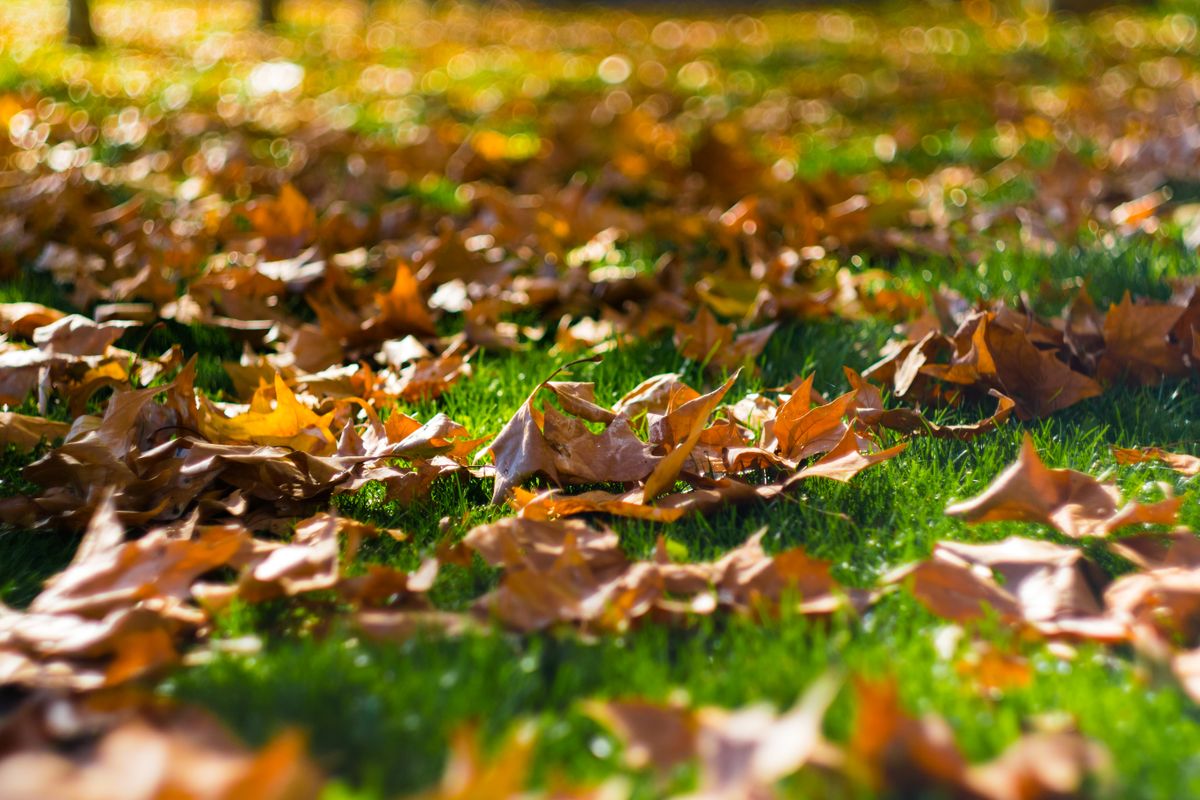
Photo by Juan Pablo Amador Díaz on Pexels
By Tondio Team · AI-generated content
Not all fall browning is a crisis. Learn to tell dormancy from disease or drought stress — and know exactly when to treat before winter hits.
Why Is My Lawn Brown in Fall and Which Causes Actually Need Treatment Before Winter
Most fall lawn problems get worse because homeowners treat the wrong thing. They see brown grass, panic, grab a bag of fertilizer or fungicide, and end up either wasting money on a lawn that was perfectly fine — or masking a real problem until it explodes in spring.
Here's the truth: brown grass in fall is often completely normal. But sometimes it isn't. The difference matters enormously, and figuring out which situation you're in takes about 10 minutes of hands-on inspection — not a trip to the garden center.
This guide will walk you through exactly how to read your lawn's fall browning, which causes you can ignore, and which ones need action before the ground freezes.
The Two Types of Grass and Why It Changes Everything
Before you diagnose anything, you need to know what kind of grass you're working with. This single fact determines whether fall browning is normal or alarming.
Cool-Season Grasses (Fescue, Bluegrass, Ryegrass)
These grasses thrive between 60–75°F. They grow aggressively in fall, slow down as temps drop below 50°F, and can stay green well into November in many climates. If a cool-season lawn is going significantly brown in fall, something is actually wrong. Cool-season grasses don't go dormant in fall — they go dormant in summer heat, then recover. Fall is their growing season.
Warm-Season Grasses (Bermuda, Zoysia, St. Augustine, Centipede)
These grasses love heat. Once soil temps drop consistently below 55°F, they begin going dormant and will turn tan or straw-colored. This is 100% normal and expected. A Bermuda lawn that looks dead by mid-October in the Southeast is doing exactly what it should do.
Quick check: Not sure what type of grass you have? Tondio lets you log your grass type along with your lawn profile so you always have that detail at your fingertips when troubleshooting.
How to Tell Dormancy Brown from Disease or Stress Brown
This is the big one. Pull up a lawn chair and spend a few minutes really looking at your grass before doing anything else. There are three things to assess: texture, pattern, and smell.
Texture: The Tug Test
Grab a handful of brown grass and pull firmly.
- It stays put → likely dormant. Dormant grass still has a healthy root system firmly anchored in the soil.
- It pulls up easily, almost like wet paper → possible disease or rot. Diseased or dead grass loses its root anchoring. If the crowns (the base of the plant, right at soil level) feel mushy or slimy, you've got a fungal problem.
- It pulls up in patches with roots and soil attached → possible grub damage. We'll cover this below.
Pattern: The Shape of Brown Tells a Story
Step back and look at the overall shape of the browning. This is where pattern recognition is your best diagnostic tool.
| Pattern | Likely Cause |
|---|---|
| Uniform, lawn-wide tan/straw color | Normal dormancy (warm-season grass) |
| Irregular blotches, 6–24 inches across | Fungal disease (dollar spot, brown patch) |
| Perfect circles or rings, 1–3 feet in diameter | Fairy ring fungus or localized grub damage |
| Follows a slope or low-lying area | Drainage issue or moisture stress |
| Follows the path of a sprinkler zone | Irrigation failure or drought stress |
| Long, irregular streaks | Drought stress or scalping from mowing |
| Random scattered small spots | Dog urine or fertilizer burn |
Dormancy browns evenly and gradually across the whole lawn. Disease and stress brown in patterns, because they're reacting to specific conditions at specific locations.
Smell: The Underrated Diagnostic Tool
Get close to the brown patches — within a foot or so.
- No real smell → dormancy or drought stress.
- Musty, earthy, almost mushroom-like smell → fungal disease. This smell is unmistakable once you've experienced it.
- Faint ammonia smell → dog urine spots.
- Sour or rotting smell → root rot, often from overwatering or poor drainage.
The Three Real Causes of Fall Browning — And What to Do About Each
Cause 1: Normal Dormancy (Do Nothing)
If you have warm-season grass and temps have dropped below 55°F at the soil level, your lawn is dormant. There is nothing wrong with it.
This is the most common misdiagnosis in fall lawn care. Bermuda, Zoysia, and Centipede lawns across the South, Southwest, and transition zone go dormant every single year, and every single year, homeowners call lawn services convinced their grass is dying.
What dormancy looks like:
- Uniform tan or straw color across the entire lawn
- Grass is dry and slightly crispy to the touch
- Pulls firm — doesn't come up easily
- No unusual smell
- Started browning after a sustained stretch of cooler nights (consistently below 55°F)
What to do: Nothing. Seriously. Don't fertilize a dormant lawn — you'll push tender growth that freezes and damages the plant. Don't panic-water it excessively. Don't aerate it now (that's a spring job for warm-season turf).
The one exception: If you want green color through winter, you can overseed dormant warm-season grass with annual ryegrass at 5–10 lbs per 1,000 sq ft before the lawn goes fully dormant — ideally when daytime temps are still in the 60s. But that's a cosmetic choice, not a health necessity.
Pro Tip: Track your soil temperatures over time using Tondio's lawn journal. When you can look back and see that your Bermuda browned at the same soil temp last October as this October, you'll stop second-guessing yourself every fall.
Cause 2: Drought Stress (Sometimes Needs Intervention)
Fall drought stress is sneaky because it often happens when air temperatures feel cool enough that people assume the lawn doesn't need water. But warm, dry, windy fall days — especially in September and early October — can pull moisture out of the soil fast.
Cool-season grasses are especially vulnerable here. This is their prime growing season, and if they're running short on water during September and October, they'll start to brown out and thin significantly heading into winter — which means a weakened, patchy lawn come spring.
How to tell drought stress from dormancy:
- It's a cool-season lawn — immediate red flag, since these shouldn't be browning in fall
- Browning follows slopes, sunny spots, or areas near pavement (which absorbs heat)
- The pattern follows sprinkler zones or coverage gaps
- Grass feels dry and slightly wilted before it browns — a dormant grass just stops growing, but a drought-stressed grass will show a blue-gray tint before browning
- The inch test: Push a screwdriver 6 inches into the soil. If it goes in easily, moisture is fine. If it takes real effort, the soil is too dry.
What to do:
Cool-season lawns need about 1–1.5 inches of water per week in fall, including rainfall. If you're not getting that from rain, supplement with irrigation.
- Water deeply and infrequently — one or two sessions per week rather than shallow daily watering. Deep watering encourages roots to grow down, which improves drought tolerance and winter hardiness.
- Water in the morning so the grass dries before nightfall. Wet grass overnight in fall creates the perfect conditions for fungal disease.
- Stop irrigating when soil temps consistently drop below 40°F or you're getting regular rainfall. Most cool-season lawns in the northern US can stop regular irrigation by late October or early November.
For warm-season grasses already in dormancy, drought stress matters much less — the plant is in survival mode and needs very little. One deep watering before a hard freeze (below 20°F) can help, but don't make it a routine.

Common Mistake: Running your sprinklers on the same fall schedule as summer. Evaporation rates drop significantly once temps cool down. If you're still watering 3 times a week in October like you did in July, you may actually be overwatering — which invites fungal disease.
Cause 3: Fungal Disease (Needs Prompt Treatment Before Frost)
This is the one that actually requires you to act, and timing is everything. Fungal diseases that are active in fall can do serious damage to root systems and crowns that won't become obvious until spring — when you think you have winter kill but actually have a disease problem that started in October.
The most common fall lawn diseases:
Brown Patch (Rhizoctonia solani)
- Appears: Large, irregular circular patches ranging from 6 inches to several feet across
- Color: Tan or brown center with a darker, water-soaked ring around the edge (the "smoke ring" — clearest in morning)
- Grass affected: Tall fescue, ryegrass, and bluegrass most commonly
- Conditions that trigger it: Nighttime temps between 60–75°F with high humidity or extended leaf wetness. Most active in early fall before temps really drop.
- Treatment window: Treat actively while temps are still above 60°F at night. Once you're consistently below 50°F, disease activity slows dramatically and spring treatment becomes the priority.
Dollar Spot (Sclerotinia homoeocarpa)
- Appears: Small, silver-dollar-sized spots (2–6 inches) that can merge into larger irregular patches
- Color: Tan or straw-colored, with hourglass-shaped lesions on individual grass blades (look closely — this is distinctive)
- Grass affected: Bermuda, bentgrass, bluegrass, ryegrass
- Conditions that trigger it: Low nitrogen, drought stress, and cool nights with heavy dew. September is peak season.
- Treatment window: Same as brown patch — treat while active, before sustained cold shuts the fungus down.
Pythium Blight
- Appears: Fast-moving, greasy-looking patches — this disease can kill a section of lawn in 24 hours in the right conditions
- Color: Orange, tan, or gray with a cottony white mycelium visible in early morning
- Treatment window: This one is an emergency. Treat immediately if you see it.
How to treat fall fungal disease:
-
Confirm the diagnosis first. The texture, pattern, and smell checks above should point you toward disease. If you're not sure, take a sample to your local cooperative extension office or use Tondio to photograph and log the patches so you have a clear visual record of the spread over time.
-
Apply a systemic fungicide. Look for active ingredients like azoxystrobin, propiconazole, or myclobutanil. These work by moving through the plant, not just sitting on the surface. Follow label rates exactly.
-
Don't fertilize a diseased lawn. High nitrogen pushes soft, lush growth that's more susceptible to disease. If your lawn needs fertilizer, wait until the disease is under control.
-
Improve airflow and drainage. Rake out any thatch layer over ½ inch — thatch traps moisture and provides a home for fungal spores. If drainage is poor, address that before winter.
-
Adjust your watering schedule. Water only in the morning and reduce frequency.
Pro Tip: If you've had fungal disease in a specific area of your lawn two falls in a row, it's worth applying a preventative fungicide application in late August next year before conditions favor disease. Document your treatment dates and product names in Tondio so you have that history ready when planning next year's program.
Bonus Cause: Grub Damage (Needs Inspection, Possibly Treatment)
White grubs (the larvae of Japanese beetles, June bugs, and others) feed on grass roots from late summer through fall. The damage looks like drought stress — irregular brown patches — but there's one telltale sign: the turf pulls back like a loose carpet. If you can lift the brown sections of grass like rolling up a rug, grubs are the likely culprit.
How to check: Cut a 1-square-foot section of turf about 2–3 inches deep at the edge of a brown patch and flip it over. Count the grubs.
- 0–2 grubs per square foot: Low population, likely not causing damage
- 3–5 grubs per square foot: Moderate, monitor closely
- 6+ grubs per square foot: Treat. That population will cause — or is already causing — significant root loss.
Treatment timing matters here. Grubs are easiest to kill when they're young (late summer through early fall). By late October, they've burrowed deep into the soil for winter and most contact insecticides won't reach them effectively. If you find a significant grub population in September, treat it. If you find it in November, wait until spring.
The Fall Treatment Window: What Works When
Here's the honest breakdown of timing — because treating outside the right window wastes money and can backfire.
| Problem | Treat Now (Before Frost) | Wait Until Spring |
|---|---|---|
| Warm-season dormancy | No action needed | No action needed |
| Cool-season drought stress | Yes — water deeply | — |
| Brown patch / dollar spot | Yes, if temps still above 60°F nights | If already below 50°F consistently |
| Pythium blight | Yes — immediately | — |
| Grub damage | Yes, if found in Sept–early Oct | If discovered in late Oct or Nov |
| Fairy ring fungus | Minimal fall efficacy — wait | Yes |
| Compaction / thatch | Aerate cool-season grass now | Aerate warm-season grass in spring |
The hard cutoff: Once your soil temperature drops below 50°F consistently, most biological activity in the lawn slows dramatically. Fungicides become far less effective because both the grass and the fungus slow their metabolic activity. Grubs are too deep to reach. This is the point where you assess the damage, document it, and make a spring plan instead.
Fall Browning Action Plan: Your 10-Minute Lawn Check
Run through this before you reach for any product:
- Identify your grass type. Warm-season or cool-season?
- Check the calendar and thermometer. Are nighttime temps consistently below 55°F? Soil temps below 50°F?
- Do the tug test. Does the brown grass pull up easily or stay firm?
- Look at the pattern. Uniform across the lawn, or irregular patches/circles?
- Smell it. Any musty, fungal odor near the brown areas?
- Check for grubs. Cut a small section at the edge of a patch and count.
- Check moisture. Push a screwdriver 6 inches into the soil. Does it go in easily?
- Review your irrigation schedule. Are you still watering on a summer schedule?
- Look for lesions on individual blades. Hourglass shapes = dollar spot. Dark borders = brown patch.
- Take photos and log the date. Side-by-side documentation over 5–7 days tells you if a problem is spreading.
Track it properly: Use Tondio to log photos of brown patches with timestamps. If the patches grow over a week, you're likely looking at an active problem. If they stay static or slowly recover, it's probably stress-related and resolving on its own. Visual documentation over time beats guessing every time.
What NOT to Do When You See Brown Grass in Fall
Let's be direct about the mistakes that make fall lawn problems worse:
- Don't apply high-nitrogen fertilizer to a browning lawn in fall. If it's dormant, you'll force growth that gets frost-damaged. If it's diseased, you'll feed the problem.
- Don't scalp or aggressively mow brown areas. Stressed or dormant grass doesn't need the extra trauma. Keep mowing at your normal height until the lawn fully stops growing.
- Don't apply fungicide to dormant grass. If temps are already cold and the disease has gone inactive, you're wasting product. It won't prevent spring reactivation the way a proper spring fungicide timing will.
- Don't assume brown means dead. Dormant warm-season grasses look almost identical to dead grass to the untrained eye. Give it until spring before writing it off.
- Don't ignore it if it smells. A musty, fungal smell is your lawn asking for help. Document it, treat it, and fix the cultural conditions that created it.
Conclusion
Fall lawn browning is one of the most misread signals in home lawn care. The fix isn't always a product — sometimes it's permission to leave your lawn alone. Knowing the difference between dormancy, drought stress, and disease is what separates a homeowner who spends $200 on unnecessary fungicide from one who spends 10 minutes doing a proper diagnosis and catches a real grub problem before it destroys a lawn through winter.
Use the tug test. Read the pattern. Trust your nose. And document what you see so you have context — not just for this fall, but for every fall going forward.
Your lawn tells you what it needs. You just have to learn to read it.
Track your fall lawn observations, log photos of browning patterns, and set seasonal reminders for your pre-winter checklist with Tondio. The more you document, the faster your diagnosis skills get — and the less money you waste treating the wrong problem.