Why Is My Lawn Turning Brown in August and Which Causes Are Reversible Before Fall
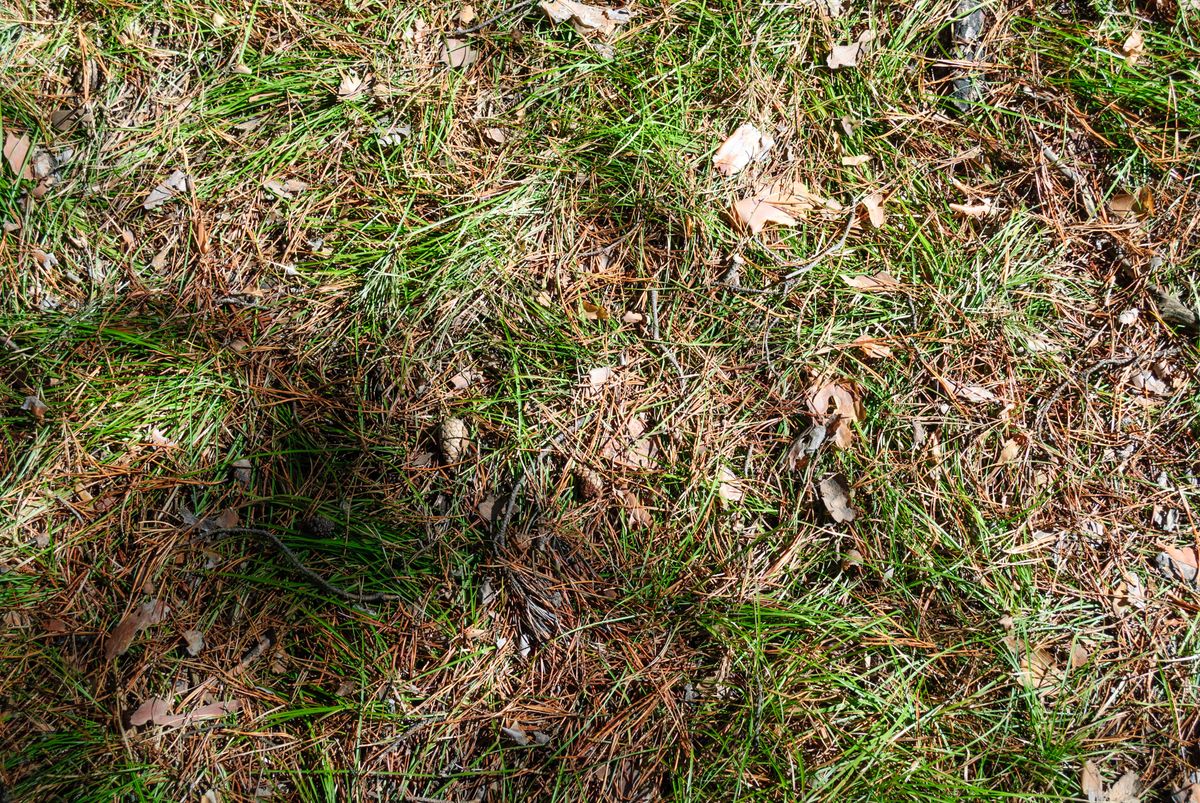
Photo by Mikhail Peace on Pexels
By Tondio Team · AI-generated content
Is your lawn brown in August? Learn to tell summer dormancy from heat scald, chinch bugs, and fungal rot — and what to do before fall recovery window closes.
Why Is My Lawn Turning Brown in August and Which Causes Are Reversible Before Fall
Brown grass in August is not a diagnosis — it's a symptom. And the wrong response to the wrong cause will make your fall recovery anywhere from delayed to impossible.
This is the mistake that costs homeowners their lawn every single year. They see tan, straw-colored turf in the back half of summer and either flood it with water out of panic or ignore it entirely under the assumption that "it'll come back." Sometimes that works. Sometimes it destroys the crown tissue that makes recovery even possible. Knowing which situation you're actually in right now — before September closes the window on effective intervention — is the difference between a lush fall lawn and a reseeding project.
There are four main reasons your lawn goes brown in August: summer dormancy, heat scald, chinch bug damage, and fungal crown rot. They can look nearly identical from the curb. They require completely different responses. Let's walk through how to tell them apart and exactly what to do about each one in the remaining weeks of summer.
Start Here: The Tug Test and Plug Inspection
Before you treat anything, you need ground truth. Don't guess based on how brown it looks — get your hands in the turf.
The Tug Test
Grab a handful of brown grass blades close to the soil line and pull firmly. Here's what the result tells you:
- Blades pull free easily, but the crown and roots stay firm in the ground → Strong indicator of dormancy. The plant is alive at the crown; the top growth has just shut down.
- Blades and crown pull out together with little resistance → Dead or severely compromised crown tissue. This is not dormancy.
- Blades pull out in clumps with a silky or matted texture at the base → Possible fungal activity, especially if you smell something musty or see discoloration at the crown.
The Plug Inspection
For a more complete picture, pull a 3-inch plug with a hand trowel or soil probe. You're looking at three things:
- Crown color: Healthy dormant crowns are white to light tan. Brown, black, or mushy crowns signal rot or death.
- Root depth and color: Dormant grass in well-maintained soil typically holds 4–6 inches of white or off-white roots. Shallow, dark, or absent roots indicate heat stress damage or disease.
- Thatch layer: Anything over ½ inch of thatch can trap heat and moisture at the crown — a setup for fungal problems even when the surface looks dry.
Pro tip: Pull plugs from three zones — a clearly brown area, a transitional area where brown meets green, and a fully green area. Comparing all three tells you far more than inspecting just the dead zone.
Tondio lets you photograph and log each plug inspection by zone directly in the app, so you can track changes week over week as August rolls into September. When you're managing a larger property with multiple trouble spots, that photo timeline is invaluable.
Cause #1: Summer Dormancy (Reversible — But Don't Blow It)
What's Actually Happening
Cool-season grasses — Kentucky bluegrass, tall fescue, perennial ryegrass — have a built-in survival mechanism. When soil temperatures at the 2-inch depth exceed 85°F for an extended period and rainfall drops below roughly 1 inch per week, many varieties go dormant. They pull carbohydrates down into the crown and root system, let the leaf tissue die back, and essentially wait it out.
This is not a lawn emergency. This is your lawn being smart.
The problem is that dormancy is only a safe state if you respect it. A fully dormant cool-season lawn can survive 4–6 weeks without significant water. But here's the critical rule: you cannot partially break dormancy and then abandon it. If you give a dormant lawn 0.5 inches of water, you trigger the plant to redirect energy back toward leaf growth — and then if you stop watering again, you've burned through carbohydrate reserves that were protecting the crown. Do that two or three times across August and you can turn a dormant lawn into a dead one.
How to Identify Dormancy
- Even, widespread browning across the lawn rather than isolated patches
- Brown color began gradually as temperatures climbed, not suddenly overnight
- Tug test shows firm crowns and intact root systems
- No distinct pattern — dormancy doesn't follow edges, irrigation shadows, or sun/shade lines the way other causes do
- Turf went fully green and uniform in spring and early summer before declining
What to Do
Pick a lane and stay in it. You have two legitimate options:
Option A — Let It Stay Dormant:
- Apply a maintenance irrigation of 0.5 inches every 2–3 weeks — just enough to keep the crown tissue alive without breaking dormancy
- Stay off the lawn as much as possible. Dormant turf has zero tolerance for foot traffic stress
- Don't fertilize. Adding nitrogen to a dormant lawn pushes vulnerable top growth under heat stress conditions and wastes product
- Keep mowing height at your normal summer setting (typically 3.5–4 inches for cool-season grasses) if any growth does occur — taller canopy shades the crown
Option B — Break Dormancy Intentionally:
- Only attempt this if you have at least 6 weeks before your average first frost date and the extended forecast shows temperatures dropping back below 85°F daytime highs
- Apply 1–1.5 inches of water per week, consistently, to fully re-engage the plant
- Once green-up begins, apply a light nitrogen application — around 0.5 lbs of actual nitrogen per 1,000 sq ft — to support leaf recovery without pushing excessive tender growth into early fall stress
- Do not attempt to break dormancy in late August if your first frost is in early October — you won't have enough recovery time and you'll burn through root reserves
Common mistake to avoid: Applying a high-nitrogen fertilizer (anything above 1 lb N per 1,000 sq ft) to a brown lawn in August hoping to "green it up fast." You'll either burn dormant tissue or push a flush of soft, disease-susceptible growth right into fall fungal season.
Pro tip: Use Tondio to set a watering reminder every 2–3 weeks if you're keeping the lawn dormant — it's easy to lose track of timing in the back half of summer, and missing that maintenance irrigation by a week during a heat wave is when crowns start dying.
Cause #2: Heat Scald (Partially Reversible — Act Fast)
What's Actually Happening
Heat scald isn't dormancy and it isn't disease — it's direct thermal injury to leaf and crown tissue. It happens when surface temperatures exceed 130–140°F, which is entirely possible on open turf on a 95°F day with full sun exposure. Unlike dormancy, which is a managed biological retreat, heat scald is cellular destruction. The plant didn't choose this.
How to Identify Heat Scald
The pattern is your biggest tell. Heat scald has a geography that dormancy doesn't:
- Damage appears in open, full-sun areas — south and west-facing slopes, areas with no tree canopy, spots near heat-reflective surfaces like driveways, sidewalks, and light-colored walls
- Brown patches often have a bleached or straw-white appearance at the center, sometimes with a slightly reddish fringe
- Shaded areas of the same lawn remain green or recover faster
- Onset is rapid — you may see significant browning within 24–48 hours of a heat event rather than the gradual decline of dormancy
- Turf near pavement edges is often the first and worst affected because radiating heat from concrete can push surface temps 20–30°F above air temperature
The tug test result for heat-scalded turf can go either way. Mild scald damages leaf tissue but leaves crowns viable — you'll get a positive tug test result (crown holds). Severe scald kills crown tissue — crowns will pull free or feel mushy and discolored.
What to Do
- If crowns are still firm: The lawn can recover. Reduce all traffic, don't fertilize, and provide consistent 1–1.5 inches of water per week split across 2–3 sessions. Early morning irrigation (between 4–8 a.m.) is critical here — it cools crown temperatures and allows foliage to dry before peak heat, reducing secondary disease risk.
- If crowns are dead in the scalded zone: Recovery from existing plants isn't coming. Mark those areas and plan to overseed in early-to-mid September when soil temperatures drop back to the 50–65°F range that cool-season seed germinates best in.
- Consider applying a light application of wetting agent to heat-scalded zones if you have hydrophobic surface soil (water beading on the surface rather than absorbing). Scalded soil often develops a water-repellent layer that prevents irrigation from reaching roots even when you're putting water down.
Common mistake to avoid: Running your irrigation system during the peak heat of the day (11 a.m.–3 p.m.) thinking you're cooling the lawn down. In extreme heat, small water droplets on leaf blades can actually act as magnifying lenses and intensify scald. More importantly, foliage that stays wet through peak heat hours dramatically increases fungal disease risk.
Pro tip: If you've had recurring heat scald in the same zones for multiple summers, document those spots with the photo and location tools in Tondio so you can plan targeted overseeding every fall with heat-tolerant cultivars — and build an irrigation schedule specifically for those high-risk areas next summer.

Photo by Gustavo Fring on Pexels
Cause #3: Chinch Bug Damage (Reversible With Fast Action)
What's Actually Happening
Chinch bugs are small (about 1/5 inch as adults), but they work in massive numbers and they work fast. They feed by piercing grass stems and injecting a toxic saliva that blocks the plant's water-conducting tissue. The result looks like drought stress — because the plant literally can't move water, even when soil moisture is adequate.
This is why chinch bug damage gets misread as dormancy constantly. The turf looks thirsty. Homeowners water. The damage continues and spreads because water doesn't solve a vascular blockage caused by insect toxin.
How to Identify Chinch Bug Damage
The pattern here is the opposite of dormancy's uniform spread — chinch bug damage has a direction and an origin:
- Damage starts at the lawn's edges — along sidewalks, driveways, curbs, and foundation edges — because chinch bugs thrive in hot, dry microenvironments and work inward from there
- Patches are irregular and spreading, typically moving in the direction of prevailing heat and sun exposure
- The leading edge of a chinch bug infestation often shows a yellow or orange fringe before it goes fully brown — this is the transition zone where feeding is actively occurring
- Watering doesn't help. If you've been watering a brown patch consistently and it's still spreading or not responding, chinch bugs are a top suspect
- Chinch bugs prefer St. Augustine, zoysiagrass, and bentgrass, but they'll damage Kentucky bluegrass and perennial ryegrass in heavy infestations
The float test is the fastest confirmation method: Cut both ends off a coffee can, push it 2–3 inches into the soil at the edge of a damaged area (where brown meets green), fill it with water, and watch for 5–10 minutes. Chinch bugs float. If you see small black-and-white insects rising to the surface, you've confirmed the problem.
You're looking for a threshold of 15–20 chinch bugs per square foot — that's an infestation level that warrants treatment. A few bugs aren't the issue; populations at that density are.
What to Do
- Apply an appropriate insecticide labeled for chinch bugs — bifenthrin, lambda-cyhalothrin, or clothianidin-based products are commonly effective. Follow label rates precisely; more is not better and excess product can harm beneficial insects and soil organisms.
- Treat the perimeter zones first — that's where the active feeding population is. Treating only the already-dead brown areas is wasted product because the damage there is done.
- Keep treated areas lightly watered for 2–3 days after application to move the product into the thatch where bugs shelter, but don't irrigate heavily enough to flush it past the root zone
- Reduce thatch if it's over ½ inch — chinch bugs use thick thatch as protected habitat and heavy thatch reduces insecticide penetration
- Expect 2–4 weeks of recovery time in areas where the crown tissue survived. Areas with dead crowns will need overseeding in September.
Common mistake to avoid: Treating chinch bug damage as drought stress and irrigating heavily without investigating. Excess moisture in chinch bug-affected areas can actually compound the problem by promoting the secondary fungal infections that often follow insect damage.
Pro tip: Chinch bug populations build year over year in the same microclimates. Log the affected edges and dates in Tondio so you have a treatment history — next July, you'll know exactly where to scout first and you can get ahead of the infestation before it spreads.
Cause #4: Fungal Crown Rot (Least Reversible — Damage Control Mode)
What's Actually Happening
Fungal crown rot — most commonly caused by Rhizoctonia solani (brown patch) or Sclerotinia homoeocarpa (dollar spot) in summer — attacks the crown and stem tissue directly. Unlike leaf diseases that damage the visible blade, crown rot kills the regenerative tissue at the base of the plant. When the crown is gone, the plant is gone. There's no growing back from a destroyed crown.
The conditions that trigger crown rot in August are: warm nights (above 70°F), high humidity, and leaf wetness periods of 10+ hours. If you've had a humid August with afternoon thunderstorms and warm overnight temperatures, you're in fungal conditions.
How to Identify Fungal Crown Rot
- Irregular patches that appear suddenly — often overnight or within 24–48 hours following a humid stretch
- Patches may have a smoke ring or dark water-soaked border at the outer edge, especially visible in early morning before dew burns off (classic brown patch signature)
- Crown tissue at the base of affected plants is brown, black, or mushy — distinctly different from the firm tan crown of a dormant plant
- Musty or mushroom-like odor at the soil surface in affected areas
- Dollar spot shows as silver dollar-sized individual spots (roughly 2–4 inches across) scattered across the lawn, often with a bleached, hourglass-shaped lesion pattern on individual blades
- The tug test pulls blades and crown together easily — the crown is compromised
What to Do
Accept that affected crowns are not coming back. Your job now is containment and preparation for fall recovery:
- Stop evening or late-day watering immediately. Shift all irrigation to early morning (before 8 a.m.). Reducing overnight leaf wetness is the single most impactful cultural change you can make.
- Apply a fungicide only if the disease is actively spreading. Fungicides don't resurrect dead tissue — they protect living tissue adjacent to the diseased area. Propiconazole, azoxystrobin, and thiophanate-methyl are commonly used for brown patch and dollar spot. Rotate modes of action to prevent resistance.
- Do not fertilize with nitrogen until the disease is controlled and temperatures cool. Nitrogen pushes lush, soft tissue growth — exactly what fungal pathogens colonize fastest.
- Reduce mowing frequency and raise mowing height to 3.5–4 inches to reduce plant stress and limit mechanical spread of fungal spores via mower blades (clean your mower deck between passes in diseased areas)
- Plan to core aerate and overseed affected zones in September — a 6–8 week window starting when soil temps drop to 65°F. Mark all dead zones now.
Common mistake to avoid: Applying a nitrogen-heavy lawn fertilizer in late August to "boost recovery" from what you think is heat stress, when it's actually crown rot. You'll accelerate fungal spread and enter fall with larger dead zones and an actively diseased root environment.
Pro tip: If you've had brown patch or dollar spot in previous summers, set a preventative fungicide application reminder in Tondio for the third week of July — one application before symptom onset is far more effective and cheaper than remediation after the disease has taken hold.
The August Brown Lawn Decision Tree
Use this to quickly identify your situation:
Step 1 — Check the Pattern
- Even, widespread browning across whole lawn → Go to Step 2 (likely dormancy)
- Browning concentrated in full-sun, open zones → Suspect heat scald
- Browning starting at edges/curbs and spreading inward → Suspect chinch bugs
- Irregular patches with sudden onset, dark border, or musty smell → Suspect fungal crown rot
Step 2 — Run the Tug Test
- Crown firm, roots intact → Dormancy or early heat scald (salvageable)
- Crown soft, mushy, or discolored brown/black → Crown rot or severe heat scald (recovery limited)
- Plants pull out cleanly in clumps → Chinch bug damage or rot (investigate further)
Step 3 — Check Your Watering History
- Been underwatering for 3+ weeks in heat → Dormancy most likely
- Watering consistently but still spreading brown → Chinch bugs or disease
- Watering late in the day or evening → Conditions favor fungal disease
Step 4 — Act Based on Cause
- Dormancy: Pick a lane (stay dormant or break it fully), maintain crowns
- Heat scald: Morning irrigation, protect living crowns, plan fall overseeding for dead zones
- Chinch bugs: Perimeter insecticide treatment, reduce thatch, plan recovery overseeding
- Crown rot: Stop evening watering, fungicide to halt spread, plan September overseeding
Your August Action Checklist
- Pull 3 plugs from different zones and inspect crown color and root depth
- Run the tug test in at least 2 brown areas
- Note the pattern of browning (uniform vs. edge-starting vs. patchy)
- Check your overnight temperature and humidity data for the past 2 weeks
- Review your irrigation schedule — when are you watering and how much?
- If chinch bugs suspected, run the float test in 3 edge locations
- If dormancy confirmed, decide: maintain dormancy or begin full break with consistent 1–1.5 in/week
- Mark all zones with dead crowns for September overseeding
- Shift any evening irrigation to early morning immediately
- Log current lawn condition with photos for before/after tracking
The Fall Window Is Closer Than You Think
Here's the honest reality: by the time mid-September arrives, your intervention options shrink dramatically. Overseeding cool-season grasses needs soil temperatures between 50–65°F and typically 45–60 days of good growing conditions before first frost. Insecticide treatments for chinch bugs lose effectiveness as populations naturally decline in cooler temperatures. Fungicide applications are most valuable when nighttime temps are still consistently above 65°F.
What you do in the next 3–4 weeks determines what you're looking at in October. A correctly diagnosed and properly treated lawn — whether that's a dormant one you've protected, a scalded one you've started recovering, a chinch bug zone you've treated, or a disease zone you've contained and prepared for overseeding — has a genuine path back to full health by November.
A mismanaged one? That's a reseeding project, or worse, a full renovation conversation in spring.
Take 20 minutes this weekend to pull those plugs, run those tests, and actually diagnose what's happening in your lawn. Use Tondio to document what you find with photos and notes — that record becomes your roadmap for every intervention between now and the first frost, and your reference point for getting ahead of the same issues next July.
Your lawn is telling you something right now. The question is whether you're reading it correctly.