Lawn Mower Maintenance Cost Breakdown: What Shops Charge vs. What You Can Do Yourself for Under $30
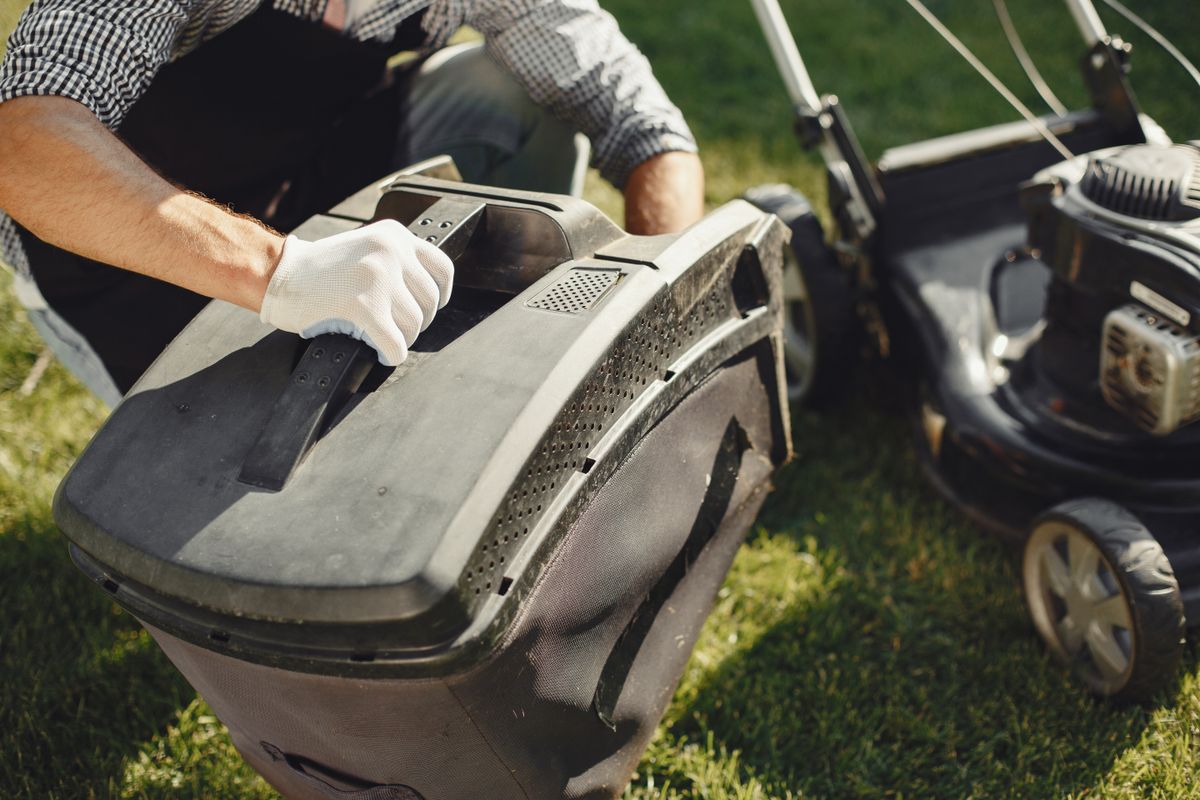
Photo by Gustavo Fring on Pexels
By Tondio Team · AI-generated content
Shops charge $120–$200 for mower tune-ups, but 80% of that service is simple DIY. Here's the exact cost breakdown and what's worth paying for.
Lawn Mower Maintenance Cost Breakdown: What Shops Charge vs. What You Can Do Yourself for Under $30
You're paying $150 for a mower tune-up that takes a shop tech about 25 minutes to complete — and most of that time is just waiting for the oil to drain.
That's not a knock on small engine shops. They have overhead, labor costs, and expertise worth paying for. But here's the honest truth: the majority of what's included in a standard annual mower service is stuff any homeowner can do on a Saturday morning with a basic kit from the hardware store. We're talking one trip, under $30, and about 45 minutes of your time.
This post breaks down exactly what shops are doing during that service visit, what every line item actually costs in parts, where the labor markup is hiding, and — critically — which jobs are genuinely worth handing off to a professional. Summer is peak season for mower repair shops, which means longest wait times and highest prices. Understanding this breakdown right now lets you handle the easy stuff yourself and be smart about what you schedule.
What a "Full-Service Tune-Up" Actually Includes
Before you can decide what to DIY, you need to know what you're buying when you drop your mower off at a shop. A standard full-service tune-up typically includes:
- Engine oil change
- Air filter replacement
- Spark plug replacement
- Blade removal, sharpening, and balancing
- Fuel system inspection (sometimes cleaning)
- Deck cleaning
- General safety inspection (cables, belts, wheels)
That's the menu. Now let's look at what it actually costs — in parts — versus what you're being charged.
The Real Cost Breakdown: Parts vs. Labor
Here's a line-by-line breakdown of a typical $150 full-service tune-up at a small engine shop. Parts prices are based on standard retail for a common push mower like a Honda HRX or Toro Recycler. Labor rates at small engine shops typically run $65–$95 per hour.
Oil Change
| Shop Charge | Actual Parts Cost | |
|---|---|---|
| Oil (18–20 oz of SAE 30 or 10W-30) | $8–$12 bundled | ~$4–$6 (quart) |
| Drain + refill labor | $15–$25 | Your time: 10 min |
The reality: Changing your mower's oil is genuinely one of the easiest tasks in small engine maintenance. You tip the mower, drain the old oil through the fill tube or a drain plug (depending on your model), and pour in fresh oil. That's it. You'll need about 18–20 oz of SAE 30 for warm climates or 10W-30 if you're in a region that still sees mornings below 40°F.
Common mistake: People skip the oil change because the oil "still looks okay." Mower oil degrades from heat and combustion byproducts long before it turns black. Change it every 50 hours of operation or once per season — whichever comes first.
Air Filter Replacement
| Shop Charge | Actual Parts Cost | |
|---|---|---|
| Paper or foam air filter | $6–$10 bundled | ~$4–$8 retail |
| Labor | $10–$15 | Your time: 2 min |
The reality: Most mower air filters are held in by a single plastic wing nut or a snap-fit cover. Pull the old one out, drop the new one in. A clogged air filter is one of the top reasons mowers run rough, lose power, or smoke — so this one genuinely matters. Foam pre-filters (when present) can be washed, dried, and lightly oiled with clean engine oil rather than replaced every time.
Pro tip: Hold your old air filter up to a light source. If you can't see light through it, it needed replacing yesterday.
Spark Plug Replacement
| Shop Charge | Actual Parts Cost | |
|---|---|---|
| Champion or NGK plug (e.g., RJ19LM) | $5–$8 bundled | ~$3–$5 retail |
| Labor | $10–$20 | Your time: 5 min |
The reality: You need a spark plug wrench (usually 5/8" or 13/16") and about five minutes. The correct plug for most residential mowers is stamped in your owner's manual — common ones are the Champion RJ19LM or NGK BR2LM. Torque it to roughly 15 ft-lbs when reinstalling, or firm hand-tight plus a 1/2 turn if you don't have a torque wrench.
A worn plug causes hard starting, rough running, and increased fuel consumption. Replacing a $4 spark plug once per season is the highest ROI maintenance item on this entire list.
Common mistake: Cross-threading the spark plug during reinstallation. Always thread it in by hand for the first few turns before using the wrench.
Blade Sharpening and Balancing
| Shop Charge | Actual Parts Cost | |
|---|---|---|
| Blade sharpening | $10–$20 per blade | $0 if DIY with a file or angle grinder |
| Blade balancing | Included | $6–$10 for a blade balancer tool |
| Labor | $15–$25 | Your time: 15–20 min |
The reality: This is the one task on the list where DIY has a slightly steeper learning curve — but it's absolutely learnable. A dull blade doesn't cut grass cleanly; it tears it, which opens the door to disease and gives your lawn that brown, frayed look a day after mowing. You should be sharpening your blade every 20–25 hours of mowing, which for most homeowners means 2–3 times per season.
To DIY blade sharpening:
- Disconnect the spark plug wire first — always
- Remove the blade using a 5/8" or 3/4" wrench (brace the blade with a block of wood)
- Sharpen at the existing bevel angle (typically 30–35 degrees) using a metal file, rotary tool, or angle grinder
- Check balance on a blade balancer or even a nail through the center hole — the blade should hang level
- Reinstall and torque the bolt to 35–50 ft-lbs
Pro tip: If your blade has a crack, a bend, or the cutting edge is less than 1/4" thick after years of sharpening, replace it entirely. A new OEM blade runs $15–$30 and is a much better use of money than over-sharpening a compromised blade.
Photo by Joel Hägele on Pexels
Fuel System Cleaning
| Shop Charge | Actual Parts Cost | |
|---|---|---|
| Carburetor cleaning spray | $5–$8 bundled | ~$5 retail |
| Labor (basic spray clean) | $15–$30 | Your time: 10 min |
| Full carburetor rebuild | $50–$120+ | $8–$15 carb kit + 1–2 hours |
The reality: This is where it gets nuanced. A basic fuel system cleaning — draining old fuel, spraying carburetor cleaner through the bowl and jets, and running fresh fuel — is absolutely DIY territory. But if your carburetor is gummed up from sitting with ethanol fuel for 6+ months, you're looking at a rebuild or replacement, which is a different conversation. More on that below.
Common mistake: Using old gasoline. Ethanol-blended fuel (E10 or E15) goes stale in as little as 30 days and leaves behind a varnish that clogs tiny carburetor jets. Always use fresh fuel and add a fuel stabilizer like STA-BIL if the mower will sit for more than 30 days.
The $25 DIY Kit That Covers 80% of a $150 Service
Here's the practical bottom line. You can walk into any hardware store or order online and pick up everything you need for a complete DIY service for most push mowers:
| Item | Cost |
|---|---|
| Quart of SAE 30 or 10W-30 engine oil | ~$5 |
| Replacement air filter (model-specific) | ~$5–$8 |
| Spark plug (Champion RJ19LM or equivalent) | ~$4 |
| Can of carburetor cleaner spray | ~$5 |
| Blade balancer tool | ~$6 |
| Total | ~$25–$28 |
You likely already have the wrenches. If not, a basic socket set covers everything you'll need.
Those five items, combined with 45 minutes on a weekend morning, cover the oil change, air filter, spark plug, basic fuel system cleaning, and blade balancing. That's the core of what a $150 shop service includes. The only thing you're not doing yourself is the 10-point safety inspection the shop runs — and honestly, a slow visual walkthrough of your cables, drive belt, and wheels takes about 5 minutes and requires zero tools.
Tondio makes this even easier with built-in maintenance reminders — you can set recurring alerts for oil changes every 50 hours, spark plug replacement at the start of each season, and blade sharpening every 20 hours of use so nothing slips through the cracks.
When Professional Service Is Genuinely Worth the Money
Look — there are real jobs that belong in a shop. Here's when to hand it over without guilt:
Carburetor Rebuild or Replacement
If your mower starts rough, surges at idle, won't hold a steady RPM, or dies unless you choke it constantly, you've likely got a carburetor problem. A basic spray clean won't fix a fully gummed jet or a worn needle valve. A shop carburetor rebuild typically runs $50–$100 in labor plus parts, and it's money well spent if you're not comfortable with small disassembly. Alternatively, replacement carburetors for common engines (Briggs & Stratton, Kawasaki, Honda GCV) often run $15–$35 online, and swapping the whole unit is faster and easier than rebuilding — even for beginners.
Drive System Repair (Self-Propelled Mowers)
If your self-propelled mower is losing drive or making grinding noises, the issue is usually a worn drive belt, damaged drive cable, or a failing transmission. Drive belts are DIY-friendly on most models ($8–$20 in parts), but transmission repairs and wheel drive rebuilds are legitimately technical and worth professional hands. Expect $60–$150 in labor for a proper drive system diagnosis and repair at a shop.
Deck Welding or Structural Repair
Cracked or broken mower decks from rock strikes or corrosion occasionally need welding. This is strictly shop territory — $50–$150 depending on complexity — and is only worth it if the mower is otherwise in excellent condition. On an older mower already due for replacement, this math usually doesn't work.
How to Get an Honest Quote
Call a shop in advance and ask for a written estimate by service category — not a flat rate. Ask them to separate parts costs from labor. Any reputable shop will do this without hesitation. If they won't itemize, find a different shop.
Also, schedule service in the fall rather than summer whenever possible. Most shops are booked 1–3 weeks out in June and July. By September and October, wait times drop to a few days and some shops offer off-season pricing discounts of 10–15%. The work is identical — the timing just works in your favor.
Your Summer DIY Mower Service Checklist
Use this as your go-to reference before you mow another lawn this season:
- Disconnect the spark plug wire before any blade or underside work
- Check and change the engine oil (SAE 30 for temps above 40°F, 10W-30 for variable climates)
- Replace the air filter — paper or foam, model-specific
- Install a new spark plug — don't reuse last year's if you don't know its age
- Drain and replace fuel if it's been sitting more than 30 days
- Spray carburetor cleaner into the air intake and bowl vent
- Remove and sharpen the blade at a 30–35° bevel
- Balance the blade before reinstalling
- Visually inspect drive belt, cables, and wheel engagement
- Clean debris from under the deck and around the engine cooling fins
Track your service dates and hours in Tondio so you always know exactly when your last oil change was, how many hours are on your blade since sharpening, and when to schedule your next service. The photo documentation feature is especially useful here — snap a picture of your old spark plug and air filter each season so you can reference the wear pattern year over year.
The Bottom Line
A $150 mower service isn't a scam — but it is largely a convenience fee. The parts in that service cost under $30. The labor is real, but for five straightforward tasks, you're paying someone else to do 45 minutes of work you're completely capable of handling yourself.
Know your mower, spend the $25 on a simple kit, block off a Saturday morning, and keep that $120 in your pocket. Then use the money you saved to book the shop for the one thing that actually warrants professional attention — whether that's a carburetor rebuild now or a full drive system inspection in the fall when shops have the time to do it right.
And if you want to stop guessing when things are due, Tondio keeps your entire equipment maintenance history in one place — service dates, parts used, hours logged, and reminders so you're never scrambling mid-season trying to remember when you last changed the oil. Your mower works hard. Treat it like the tool that keeps your lawn looking sharp.