Can you mow wet winter grass without damaging your lawn?
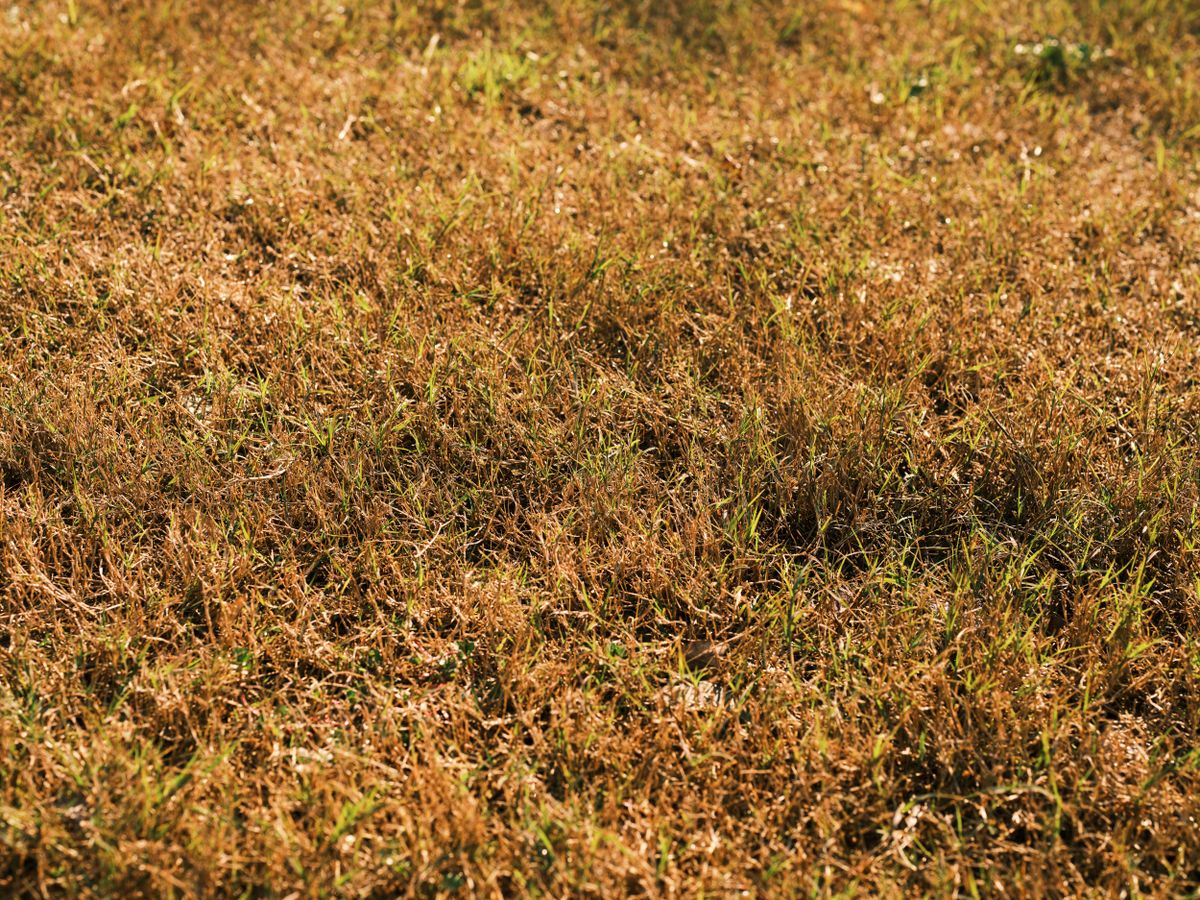
Photo by Engin Akyurt on Pexels
By Tondio Team · AI-generated content
Learn exactly when winter mowing damages your lawn and when it's safe. Soil temps, frost thresholds, and dormancy stages that determine go or no-go.
Your cool-season grass is still growing in December, there's morning dew soaking the turf, and you're wondering if one more mow will set you up nicely—or cost you a spring recovery nightmare that runs into the hundreds (or thousands) of dollars.
The truth? Winter mowing damage isn't about whether the grass is wet—it's about soil temperature, dormancy stage, and whether you're about to compact frozen ground that won't recover for months. The "never mow wet grass" rule gets repeated endlessly, but it completely misses the nuance of winter conditions where moisture, temperature, and grass physiology create a complex decision matrix.
Let's break down exactly when you can mow and when you need to stay off the turf, with specific thresholds that separate smart maintenance from expensive mistakes.
Understanding Grass Dormancy and Soil Temperature Thresholds
Here's what actually matters: grass stops growing when soil temperatures drop below 50°F at the 2-inch depth, but it doesn't go fully dormant overnight. There's a gradual transition that changes everything about how your lawn responds to mowing traffic.
The Three Dormancy Stages
Active Growth (soil temp above 50°F):
- Grass is actively photosynthesizing and recovering from stress
- Root system is still growing and repairing damage
- You can mow wet grass if the soil isn't waterlogged—recovery happens within days
- Compaction risk exists but turf rebounds quickly
Transition Phase (soil temp 40-50°F):
- Growth has slowed to near-zero but plants aren't dormant
- Root activity is minimal—damage recovery takes weeks, not days
- This is the danger zone where mowing wet turf causes lasting harm
- Grass can't repair torn crowns or compaction injuries efficiently
True Dormancy (soil temp below 40°F):
- Grass has stopped all growth and entered survival mode
- Crown tissue becomes brittle and vulnerable to mechanical damage
- Stop mowing entirely—the grass won't recover until spring
- Any traffic compacts soil that will stay compacted for 3-4 months
The critical insight: most winter mowing damage happens in that 40-50°F transition zone where the grass looks alive enough to mow but can't recover from the stress you're applying.
Track your soil temperatures with a simple probe thermometer, and log them in Tondio alongside your mowing schedule. When you see that trend line crossing below 50°F, you're entering the phase where wet conditions become genuinely risky.
Frost, Freeze, and Dew: The Equipment and Turf Stress Matrix
Morning dew and frost aren't the same thing, and your mowing decision needs to account for the fundamental difference in how they affect grass tissue.
Dew on Non-Frozen Grass (Above 32°F)
When soil temps are above 50°F:
- Wet grass clumps and clogs equipment—annoying but not damaging
- Tire and foot traffic on wet soil can cause surface compaction
- Wait 2-3 hours after sunrise for dew to evaporate if soil is soft
- Go-ahead scenario: Firm soil, actively growing grass, just messy mowing
When soil temps are 40-50°F:
- Grass blades are turgid (water-filled) and tear more easily when cut
- Mower wheels create ruts that won't heal until spring growth resumes
- Wait for dry conditions—the cosmetic damage isn't worth the stress
Frost on Grass (Below 32°F Air Temperature)
The ice crystal problem: When frost forms, ice crystals develop inside grass cells. Mowing shatters these cells, causing immediate tissue death that shows up as gray-brown tire tracks and footprints within 24 hours.
Critical rule: If you can see frost on the grass, stay off the lawn entirely. The damage is instant and irreversible until spring recovery. Even walking across frosted turf leaves visible footprints that take weeks to green up.
Temperature threshold: If air temperature is below 35°F, assume frost is forming even if you can't see it clearly in shaded areas. Don't mow.
Hard Freeze Conditions (Soil Freezing Below Surface)
When soil temperatures at 2-inch depth drop below 32°F:
- The ground becomes concrete-hard but brittleness increases
- Any traffic creates micro-fractures in frozen crowns
- Zero-tolerance rule: Don't mow, walk, or drive on frozen turf
- Damage compounds throughout winter and delays spring green-up by 2-4 weeks
Common mistake: Thinking that frozen = solid = safe to mow. Frozen grass tissue is brittle, not resilient. You're snapping crowns that can't regrow until soil temps rise again.
Traffic Patterns, Compaction, and Recovery Timelines
Let's talk about what happens beneath the grass blades—because soil compaction from winter mowing is often more damaging than the actual cutting.
Understanding Compaction in Cold Conditions
Soil compaction occurs when pressure forces air pockets out of the soil structure, reducing oxygen availability to roots. In warm conditions, earthworms, root growth, and freeze-thaw cycles naturally alleviate compaction within 2-4 weeks.
In winter conditions (soil below 50°F):
- Biological activity drops by 80-90%
- Earthworms go dormant or dive deep
- Root growth stops—no natural tillage occurring
- Compaction persists for 3-6 months until spring warmth returns
The Wet Soil Multiplier Effect
Saturated soil compacts 3-5 times more easily than moderately moist soil because water has filled the air pockets. When you add mower weight:
Typical rotary mower (push): 80-100 lbs
- Wheel contact area: ~8 square inches
- Pressure on wet winter soil: 10-12 PSI
- Creates compaction to 2-3 inch depth
Zero-turn or riding mower: 400-900 lbs
- Tire contact area: ~50-80 square inches
- Pressure on wet winter soil: 8-15 PSI
- Creates compaction to 4-6 inch depth
- Much higher damage risk in winter conditions
Your Traffic Pattern Strategy
If you must mow during transitional temperatures (50-55°F soil temp, wet conditions):
Minimize compaction damage:
- Vary your mowing pattern every time—don't follow the same wheel tracks
- Use a lightweight push mower, never a riding mower on marginal days
- Make wider turns to distribute weight differently
- Single-pass only—no overlap, no double-cutting missed areas
Document your mowing patterns with Tondio's photo feature at each session. When spring arrives and you notice trouble spots, you'll have a visual record of traffic patterns that helps you understand what went wrong and avoid repeating it.
Recovery Timeline Reality Check
Compaction created in November:
- Remains locked in through December, January, February
- Begins slight natural recovery in March (if temps warm)
- Requires aeration in April for full correction
- Cost of spring recovery: $150-400 for professional aeration, possible overseeding ($300-800 more)
That's $450-1,200 in spring recovery costs because you mowed wet turf twice in late fall instead of waiting for drier conditions.
Regional Differences: Dormant vs. Cool-Season Winter Behavior
Your winter mowing strategy depends entirely on your climate zone and grass type. What's safe in Georgia is lawn suicide in Minnesota.
True Dormancy Regions (Zones 5-6 and Colder)
Grass types: Kentucky bluegrass, perennial ryegrass, fine fescue Winter behavior: Fully dormant from late November through March
Your winter mowing rules:
- Last mow target: When soil temps consistently read below 50°F (typically late October to early November)
- Drop mowing height to 2-2.5 inches for final cut—reduces snow mold risk
- No mowing from December through February, regardless of conditions
- Even "warm" winter days (45-50°F air temp) don't justify mowing if soil is still cold
Exception: If you get unusual 60°F+ weather for 5-7 consecutive days in January and grass greens up, you can mow if soil is firm and dry. Check soil temp first—if it's still below 50°F at 2 inches, the grass isn't actually growing.
Active Winter Growth Regions (Zones 7-9)
Grass types: Tall fescue, bluegrass blends, ryegrass in cool-season areas; bermudagrass going dormant in transitional zones
Your winter behavior varies dramatically by month:
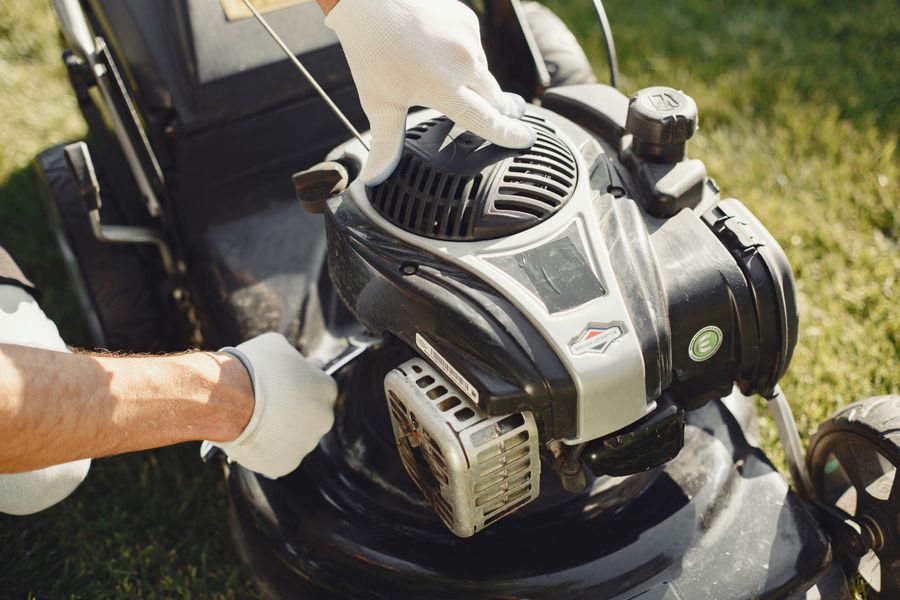
Photo by Gustavo Fring on Pexels
November-December:
- Cool-season grasses still growing actively
- Soil temps: 45-55°F range (check weekly)
- Mow as needed when conditions are dry, typically every 2-3 weeks
- Wet conditions require patience—wait for 2-3 days of dry weather
January-February:
- Growth slows significantly but doesn't stop
- Soil temps: 40-50°F (the danger zone)
- Mow only when absolutely necessary (grass over 4 inches)
- Prioritize dry, firm soil conditions over schedule
Pro tip for Zone 7-8: Set up Tondio reminders based on soil temperature, not calendar dates. Create a reminder to check soil temp weekly starting in November. When it drops below 50°F for two consecutive weeks, pause regular mowing and switch to as-needed only.
Warm Winter Regions (Zones 9-10)
Cool-season overseed behavior:
- Active growth all winter—these are your "summer" months
- Soil temps consistently 50-65°F
- Normal mowing schedule applies—wet conditions follow standard rules
Wait for dew to dry, avoid waterlogged soil, but don't overthink it. Your turf is actively growing and recovering from stress.
Bermudagrass/Warm-Season Dormancy (Zones 7-9)
Completely different rules apply:
Bermudagrass goes dormant when soil temps drop below 50-55°F:
- Turns tan/brown and stops growing
- Zero mowing required or recommended until spring green-up
- Walking on dormant bermudagrass is fine—it's surprisingly resilient
- Mowing dormant bermudagrass serves no purpose and risks scalping when spring arrives
If you've overseeded with ryegrass:
- Follow cool-season grass rules above
- The ryegrass is actively growing; dormant bermudagrass beneath is not
- Wet mowing damages the ryegrass and compacts soil for both species
Equipment Maintenance in Winter Conditions
Here's the paradox: winter mowing is harder on your equipment than summer mowing, yet most people do less maintenance because they're mowing less frequently.
The Cold Moisture Problem
Wet grass clippings in cold conditions create a perfect storm:
- Clumps stick to deck, blades, and discharge chute
- Moisture + cold temperatures = faster rust formation
- Deck buildup reduces cutting efficiency by 30-40% even in a single mow
- Wet clippings left on equipment can freeze overnight, causing metal stress
Post-Mow Winter Protocol
After every winter mow (especially wet conditions):
-
Immediate deck cleaning (before clippings dry and harden):
- Scrape deck thoroughly with putty knife or deck scraper
- Spray with water and remove all residual clippings
- Dry completely with compressed air or leaf blower
-
Blade inspection and sharpening:
- Cold, wet grass dulls blades faster than summer conditions
- Sharpen after every 2-3 winter mows (vs. every 4-5 in summer)
- Dull blades tear wet grass instead of cutting it—increasing disease risk
-
Corrosion prevention:
- Spray deck with silicone lubricant or specialized deck coating
- Check and touch up any paint chips immediately
- Store in dry location—even unheated garages are better than outdoor covers
-
Fuel system protection:
- Use fuel stabilizer if you're mowing sporadically (gaps of 3+ weeks)
- Run engine until it reaches operating temperature—condensation in cold starts causes internal rust
- Don't let equipment sit with half-full tank—condensation forms in empty space
Log your equipment maintenance in Tondio alongside your mowing records. When you notice declining cut quality, you can review maintenance history to see if you've been skipping sharpening or cleaning intervals.
Keeping Your Mower Ready for Spring
The winter storage mistake: Putting the mower away in November and not touching it until March leads to:
- Stale fuel gumming up carburetor ($150-250 repair)
- Dead battery ($40-120 replacement)
- Corroded cables and stuck controls ($80-200 service)
Better approach—monthly winter checks:
- Start engine and run for 10 minutes (even if not mowing)
- Top off fuel with fresh gas + stabilizer
- Check tire pressure (cold weather drops PSI significantly)
- Move wheels and controls to prevent seizing
- Cost saved: $200-500 in spring repairs
Your Winter Mowing Decision Framework: The Action Plan
Stop guessing. Here's your go/no-go checklist for every potential winter mowing session:
Pre-Mow Assessment Checklist
Step 1: Soil Temperature Check
- Soil temp at 2-inch depth is above 50°F → Proceed to Step 2
- Soil temp 40-50°F → High-risk zone, proceed only if all other factors are ideal
- Soil temp below 40°F → Do not mow, regardless of other factors
Step 2: Frost and Freeze Evaluation
- No visible frost on grass blades
- Air temperature above 35°F
- No hard freeze in past 24 hours
- If any above are false → Wait until afternoon or next dry day
Step 3: Soil Moisture and Compaction Risk
- Soil is firm when you walk on it (no footprints left behind)
- No standing water or saturated spots
- Grass has dried from dew (blades aren't dripping wet)
- If soil is soft or grass is soaked → Wait 24-48 hours for drying
Step 4: Growth Assessment
- Grass is actively growing (showing new vertical growth)
- Grass height exceeds 3.5-4 inches
- If grass isn't actively growing → Mowing is cosmetic only, skip unless necessary
Decision Matrix
GREEN LIGHT—Mow today:
- Soil temp above 50°F ✓
- No frost, air temp above 40°F ✓
- Firm, dry soil ✓
- Grass actively growing ✓
YELLOW LIGHT—Mow with caution:
- Soil temp 50-55°F (marginal)
- Slightly moist soil but firm enough
- Use lightest equipment available
- Single pass only, vary pattern from last mow
RED LIGHT—Stay off the lawn:
- Soil temp below 45°F
- Any visible frost
- Soft, wet, or saturated soil
- Grass not actively growing
Set up location-based tracking in Tondio if you maintain multiple properties. Each location's soil temperature and conditions vary—what's safe at your south-facing front yard might be damaging in the shaded back yard.
Common Winter Mowing Mistakes to Avoid
Mistake #1: Following the calendar instead of conditions "It's the third Saturday of December, time to mow" is how you damage lawns. Let soil temperature and grass growth dictate schedule, not arbitrary dates.
Mistake #2: Using the same equipment year-round Your 60-inch zero-turn is perfect for summer. It's a compaction machine in winter. Switch to a lightweight push mower for any marginal-condition mowing.
Mistake #3: Mowing dormant grass "to clean it up" Dormant grass doesn't need mowing. You're creating traffic damage with zero benefit. Leave it alone until spring green-up begins.
Mistake #4: Assuming frozen = safe Frozen grass is brittle grass. You're shattering crowns that can't recover. If the ground is frozen, stay off it.
Mistake #5: Not adjusting height for final fall mow Going into winter at 3.5-4 inches increases snow mold and matting risk. Drop to 2-2.5 inches for your final mow of the season when soil temps drop below 50°F consistently.
The Bottom Line: Patience Pays in Spring
You can't rush winter. The grass doesn't care about your schedule, your equipment is ready to go, or that one warm Saturday in January that makes you itch to mow.
Winter lawn damage is cumulative and expensive. Every time you mow in marginal conditions—wet soil at 45°F, early morning frost, saturated ground in the transition zone—you're making small deposits in the spring recovery debt. By March, that debt comes due: thin areas, compacted soil, delayed green-up, disease pressure, and a lawn that looks worse than your neighbors' who did nothing all winter.
The decision framework is simple: Check soil temperature. Assess frost and moisture. Evaluate actual growth. If all three aren't clearly in the safe zone, wait. One extra week of slightly taller grass is infinitely better than months of recovery time and hundreds of dollars in repair costs.
Track your winter conditions and decisions in Tondio. When spring arrives and your lawn responds (either beautifully or problematically), you'll have detailed records of what you did and when. That data makes you smarter every season—turning experience into expertise, and avoiding expensive mistakes you'll only make once.
Your lawn is dormant or transitional for 3-4 months. That's 8-9 months of active growing season where proper winter care pays dividends. Protect your investment now, and you'll spend spring enjoying a healthy lawn instead of repairing a damaged one.