Early spring overseeding: when to start and how to time it for maximum germination
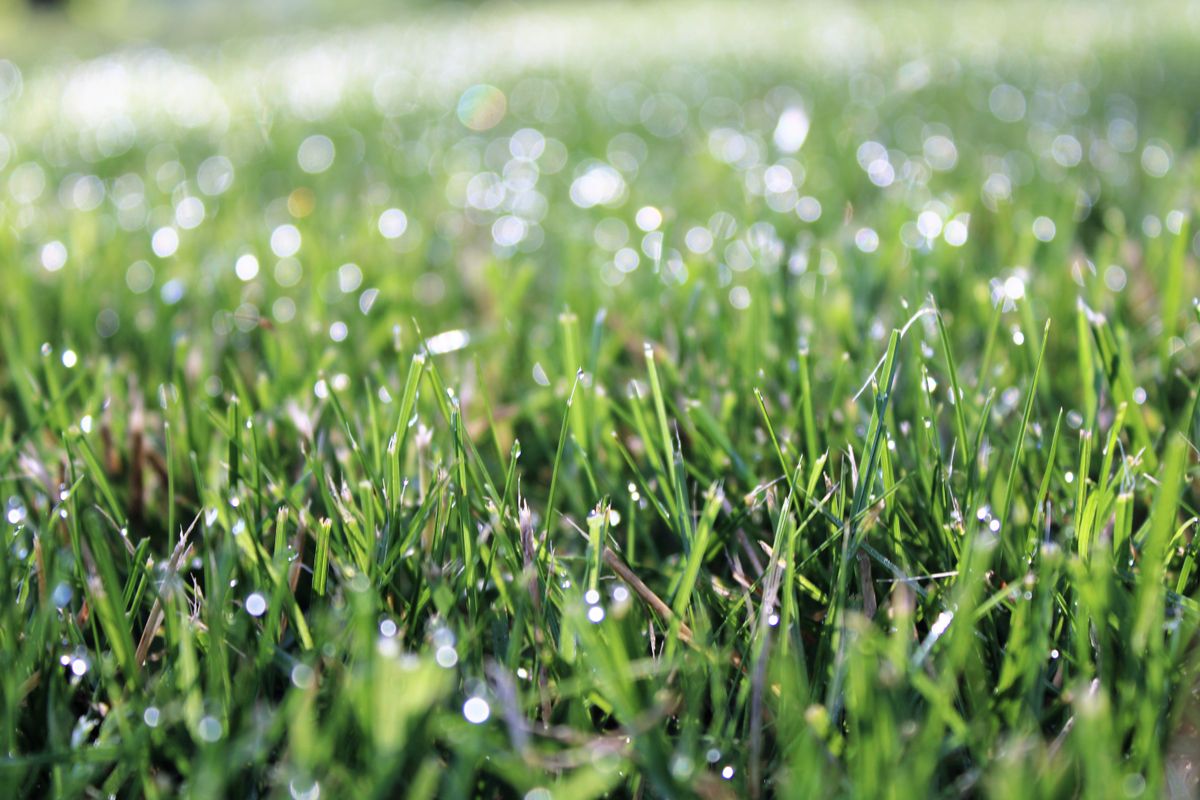
Photo by Lillian Katrine Kofod on Pexels
By Tondio Team · AI-generated content
Spring overseeding cool-season grass when soil hits 50-60°F fills winter damage fast. Here's how to time it right and avoid the mistakes that kill germination.
Everyone knows fall is the gold standard for overseeding cool-season lawns. But here's what they don't tell you: there's a narrow spring window that can deliver surprisingly good results — if you hit it exactly right.
We're talking about those first few weeks when soil temperatures climb into the 50-60°F range, after the freeze-thaw cycles stop but before heat stress becomes your enemy. Miss this window by two weeks in either direction, and you're fighting an uphill battle. Nail it, and you'll repair winter damage and fill thin spots a full six months before fall seeding would arrive.
The catch? Spring overseeding requires precision timing, the right seed genetics, and a willingness to abandon ship if conditions turn against you. Here's exactly how to make it work.
Why Soil Temperature Is Everything (Not Calendar Dates)
Forget what the calendar says. Your soil thermometer is the only tool that matters for spring overseeding decisions.
Cool-season grass seed germinates when soil temperatures consistently reach 50-60°F at a 2-inch depth. This typically happens 2-4 weeks before your average last frost date, but climate variability makes calendar-based timing a gamble. A warm February can push your window earlier; a cold snap in March can delay it by weeks.
Here's why this temperature range is critical:
- Below 50°F: Germination slows to a crawl or stalls completely. Your seed sits vulnerable to disease, washout, and predation for weeks.
- 50-60°F: The sweet spot. Perennial ryegrass germinates in 7-10 days, tall fescue in 10-14 days, Kentucky bluegrass in 14-21 days.
- Above 70°F: You've missed the window. Heat stress compounds with competition from weeds and warm-season grasses waking up. Germination becomes inconsistent.
How to monitor soil temperature properly:
- Use a soil thermometer, not air temperature predictions
- Measure at 2-inch depth in multiple spots (shaded areas lag behind sunny zones)
- Check at 8-10 AM for consistent readings
- Look for 3-5 consecutive days of stable 50-60°F temps, not just one warm afternoon
- Track the forecast for the next 2 weeks — you need sustained mild conditions
Tondio lets you log soil temperature readings alongside your seeding applications, creating a historical record of what actually worked in your specific microclimate. Over multiple seasons, this data becomes invaluable for predicting your exact window.
Pro tip: Don't confuse soil temp with air temp. A sunny 65°F March day might only translate to 48°F soil temperature if you've just come off frozen ground.
The Spring Seed Selection Strategy
Not all grass seed is created equal, and spring applications demand different genetics than fall seeding.
What Makes Spring Seed Different
In fall, you want varieties that establish deep roots before winter dormancy. In spring, you're racing against heat stress and weed competition, which means you need:
- Faster germination profiles
- Better heat tolerance for the upcoming summer
- Aggressive tillering and lateral spread
Variety Recommendations by Grass Type
Perennial Ryegrass (Best Spring Performer)
- Germinates fastest (7-10 days in ideal conditions)
- Establishes quickly enough to compete with spring weeds
- Look for varieties rated 7+ for heat tolerance in NTEP trials
- Recommended rate: 6-8 lbs per 1,000 sq ft for overseeding
- Ideal for: Quick repairs, high-traffic areas, athletic fields
Tall Fescue (Most Forgiving Option)
- Moderate germination (10-14 days)
- Superior heat and drought tolerance once established
- Choose turf-type varieties with fine texture, not pasture fescue
- Recommended rate: 8-10 lbs per 1,000 sq ft for overseeding
- Ideal for: Full-sun lawns, low-input maintenance, southern transition zones
Kentucky Bluegrass (High Risk, High Reward)
- Slowest germination (14-21 days) makes it risky for spring
- Only recommended if you're in the northern tier (Zone 5 and colder)
- Exceptional self-repair through rhizomes if it survives establishment
- Must be mixed with ryegrass for spring application (70% KBG / 30% rye)
- Recommended rate: 2-3 lbs per 1,000 sq ft for overseeding (in mix)
- Ideal for: Northern lawns with irrigation, where you can nurse it through summer
The Coating Question
Coated seeds (with fungicide and growth stimulants) cost more but offer insurance against the unpredictable spring weather. The fungicide protection matters more in spring than fall because cool, wet conditions invite disease before germination completes.
Worth it? Yes, if you're seeding more than 5,000 sq ft. The 20-30% cost premium is negligible compared to the risk of seed failure and re-application labor.
Common mistake: Using leftover seed from fall. Germination rates decline with storage, and you can't verify viability without a germination test. Fresh seed from a reputable supplier is worth the investment.
Preparation Without Destroying Dormant Grass
Spring overseeding requires a delicate balance: create enough soil contact for germination without scalping or damaging grass that's still waking up.
Timing Your Prep Work
Start preparation when soil temps hit 45-50°F — about 1-2 weeks before ideal seeding temps. This gives you time to complete prep work without rushing into seeding too early.
Step-by-Step Preparation Process
1. Clean up winter debris (Week 1)
- Remove leaves, sticks, and dead material
- Rake lightly to lift matted grass without tearing crowns
- Bag and remove debris — don't leave it as mulch
2. Assess and mark problem areas
- Identify thin spots, bare patches, and winter damage zones
- Use flags or spray paint to mark areas needing attention
- Take photos for documentation (easy to track in Tondio with location-based photo logs)
3. Core aeration (Week 2, only if needed)
- Only aerate if your soil is compacted — aeration in spring can delay green-up
- Wait until grass shows 20-30% green-up to minimize stress
- Focus on problem areas, not wall-to-wall aeration
- Pull 2-3 inch cores with ½-inch tines
- Leave cores to break down naturally (they help with seed contact)
4. Light dethatching or verticutting (Week 2)
- Set blades high to avoid scalping dormant crowns
- Make shallow passes (¼ inch depth maximum)
- Focus on thin areas rather than healthy turf
- Rake and remove debris after verticutting
5. Leveling and topdressing (Optional)
- Use a ½-inch layer of compost or topsoil blend
- Apply to low spots and thin areas only
- Drag to level with the back of a rake
- This creates ideal seed-to-soil contact without cultivation
The Minimal Disturbance Approach
For lawns with only minor thin spots, skip aggressive prep entirely:
- Mow at normal height (don't scalp)
- Rake thin areas vigorously to expose soil
- Apply seed directly to roughened areas
- Topdress with ⅛-¼ inch compost
- Water immediately
This "spot-seeding" approach reduces stress on dormant grass while still achieving good seed contact where it matters.
Pro tip: Use a lawn roller at half-full weight after seeding to improve seed-to-soil contact, but only on non-compacted soils. Rolling compacted clay makes the problem worse.
Watering Strategy for Spring Germination
Moisture management makes or breaks spring overseeding — and spring's unpredictable weather makes this the hardest variable to control.
The Germination Watering Schedule
Your goal: keep the top ½ inch of soil consistently moist (not saturated) until seedlings reach 2 inches tall.
Week 1-3 (Germination Phase)
- Water 2-3 times daily for 5-10 minutes per session
- Timing: early morning, midday, early evening
- You're aiming for frequent, shallow watering that never lets the seed dry out
- Adjust based on weather: cut back if it rains, increase if it's sunny and breezy
Week 3-6 (Establishment Phase)
- Reduce to once daily, increasing duration to 15-20 minutes
- Shift to early morning only
- Goal: encourage deeper root growth while maintaining surface moisture
- Begin reducing frequency as seedlings hit 2+ inches
Week 6+ (Transition to Normal Schedule)
- Shift to deep, infrequent watering (2-3 times per week)
- Apply ½-¾ inch per session
- Water early morning only
- Now you're training roots to grow deep before summer stress
Dealing with Spring Rainfall
Unlike fall, spring brings unpredictable rain events that can derail your watering plan. Here's how to adapt:
- Light rain (under ¼ inch): Continue your watering schedule; light rain isn't enough for germination
- Moderate rain (¼-½ inch): Skip that day's watering, resume tomorrow
- Heavy rain (over ½ inch): Skip 2-3 days of watering; assess soil moisture before resuming
- Multiple day soaking rains: Your biggest risk. Saturated soil invites fungal disease. Consider a preventive fungicide if temps are cool and moisture persists.
Track your rainfall and irrigation in Tondio to avoid overwatering. The app's tracking helps you identify patterns and adjust your schedule based on real data, not guesswork.
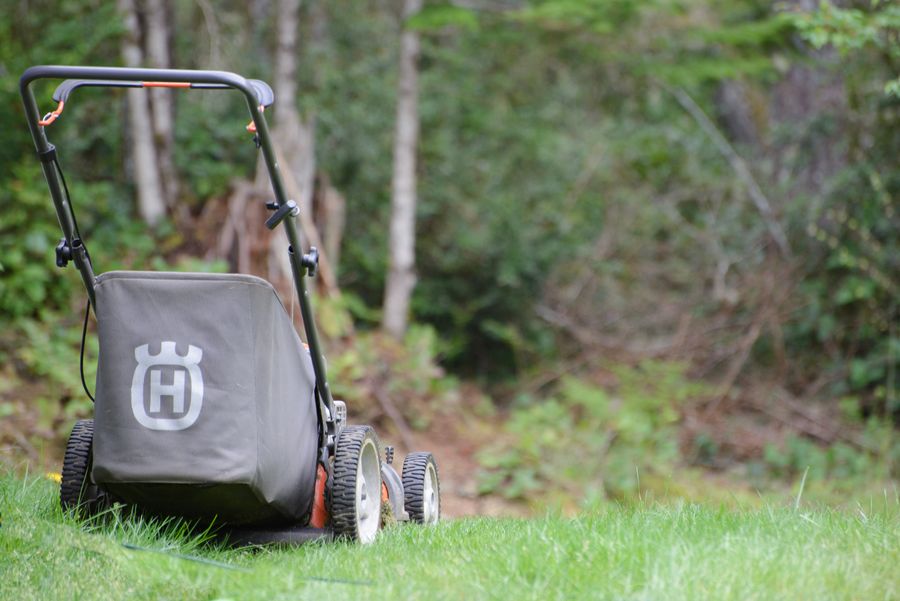
Photo by Bryce Carithers on Pexels
Irrigation System Adjustments
If you're using an automated system:
- Create a separate zone for seeded areas if possible
- Use a short-cycle soak program (multiple short runs vs. one long run)
- Install a rain sensor to prevent watering after significant rainfall
- Consider smart controller upgrades that adjust for weather
Common mistake: Using the same schedule throughout germination. Your watering needs change dramatically as seedlings develop. What works in week 1 will drown plants in week 4.
Management During the Critical 6-Week Window
Germination is just the beginning. The next 6 weeks determine whether your spring seeding succeeds or becomes a costly lesson.
Mowing New Seedlings
First mow timing: When seedlings reach 3-4 inches (typically 3-4 weeks after germination for ryegrass, 4-5 weeks for fescue)
- Remove no more than ⅓ of blade height
- Use a sharp blade to avoid tearing tender seedlings
- Bag clippings for the first 2-3 mows to reduce disease pressure
- Ensure soil is firm enough that mower wheels don't leave ruts
Height management:
- Keep new seedlings at 3-3.5 inches throughout establishment
- Don't scalp in an attempt to "clean up" the appearance
- Taller grass shades out spring weeds and protects crowns from heat
Fertilization Strategy
At seeding (Day 0):
- Apply a starter fertilizer with 18-24-12 NPK ratio
- Rate: 1 lb nitrogen per 1,000 sq ft
- The higher phosphorus (middle number) promotes root development
- Use a slow-release formulation to avoid burning tender seedlings
3-4 weeks after germination:
- Apply a balanced fertilizer with 20-20-20 or similar NPK
- Rate: 0.5 lb nitrogen per 1,000 sq ft
- This supports tillering and lateral spread as plants mature
6-8 weeks after germination:
- Transition to your normal seasonal fertilization program
- Switch to higher nitrogen formulas (30-0-10 or similar)
- Rate: 0.75-1 lb nitrogen per 1,000 sq ft
Use Tondio to calculate exact product quantities based on your lawn's square footage and track application dates to avoid over-fertilizing.
Weed Management (The Spring Challenge)
Here's the harsh reality: pre-emergent herbicides prevent grass seed from germinating too. This creates a no-win situation for spring overseeding.
Your options:
Option 1: Skip pre-emergent entirely (High weed risk)
- Accept that you'll see spring weeds (crabgrass, poa annua, etc.)
- Plan to spot-treat weeds with post-emergent herbicides after seedlings mature
- Wait 6-8 weeks after germination before applying post-emergent products
- This approach prioritizes grass establishment over weed control
Option 2: Use Tenacity (siduron) as a compromise
- One of the few herbicides that allows some grass seed to germinate
- Provides partial control of crabgrass and other annual weeds
- Apply at seeding time following label rates
- Compatible with perennial ryegrass and tall fescue (NOT bluegrass)
- Expect some reduction in germination rates (10-15%)
Option 3: Spot-seed only and maintain pre-emergent elsewhere
- Apply pre-emergent to healthy areas as normal
- Skip pre-emergent only in targeted overseeding zones
- Hand-pull or spot-treat weeds in seeded areas
- Limits weed pressure while allowing overseeding where needed
Pro tip: If spring weed pressure is typically severe in your area, this is a strong signal to wait for fall overseeding instead.
Heat Stress Management
As soil temperatures climb above 70°F (typically mid-late spring), your young seedlings face increasing heat stress.
Warning signs:
- Slowed growth or stalled development
- Browning leaf tips
- Thinning density in sunny areas
- Poor performance compared to shaded zones
Intervention strategies:
- Increase watering frequency (but maintain shallow depth)
- Apply light topdressing of compost for thermal protection
- Consider shade cloth for extremely exposed areas (overkill for most home lawns)
- Apply a foliar application of iron sulfate for stress recovery (3 oz per 1,000 sq ft)
If temperatures are consistently hitting 75-80°F+ by 4-5 weeks after seeding, your window has closed. Focus on keeping what you've established alive rather than expecting continued growth.
When Spring Overseeding Makes Sense (And When It Doesn't)
Not every lawn benefits from spring seeding. Here's how to decide whether to proceed or wait for fall.
Go Ahead With Spring Overseeding If:
✅ You have specific winter damage or thin spots that need immediate repair ✅ You're in Zone 6 or colder where springs are cool and extended ✅ You can commit to 6 weeks of intensive watering and monitoring ✅ Your lawn will be irrigated through summer to support young grass ✅ You're using fast-germinating perennial ryegrass as your primary seed ✅ Soil temps are currently 50-60°F with 3+ weeks of similar weather forecasted ✅ You understand this is higher risk than fall and have realistic expectations
Wait for Fall Overseeding If:
❌ You need wall-to-wall renovation — fall's conditions are far superior for large-scale work ❌ You're in Zone 7 or warmer where springs are short and heat arrives quickly ❌ You can't commit to frequent watering during establishment ❌ Your lawn is not irrigated and you rely on natural rainfall ❌ You want to use Kentucky bluegrass as the primary species (too slow for spring) ❌ Soil temps are above 65°F — you've already missed the window ❌ You have major weed pressure and need pre-emergent herbicide protection
The Hybrid Approach
Consider this strategy for lawns with mixed conditions:
- Spring: spot-seed thin areas and winter damage with ryegrass (quick repair)
- Fall: execute full overseeding program with your desired species mix (comprehensive improvement)
This gives you immediate improvement where it matters most while maintaining the option for a more aggressive fall renovation. Track both applications in Tondio to compare results and refine your approach over time.
Reality check: Spring overseeding typically achieves 60-80% of the success rate of fall overseeding under ideal conditions. If you need guaranteed results, fall is still king.
Your Spring Overseeding Action Plan
Ready to move forward? Here's your step-by-step checklist:
2-3 Weeks Before Seeding
- Begin monitoring soil temperature daily at 2-inch depth
- Order fresh seed (with fungicide coating for spring application)
- Acquire starter fertilizer (18-24-12 or similar ratio)
- Clean up winter debris and assess damage areas
- Take "before" photos in Tondio for comparison
1 Week Before Seeding
- Confirm soil temps are stable at 50-60°F
- Check 2-week weather forecast for sustained mild conditions
- Complete aeration/dethatching if needed
- Apply topdressing to low spots
- Test irrigation system and adjust for frequent, shallow watering
Seeding Day
- Apply starter fertilizer to seeding areas
- Spread seed at recommended rate for your species
- Rake or drag to improve seed-to-soil contact
- Apply ⅛-¼ inch topdressing if desired
- Water immediately after seeding (first of 2-3 daily waterings)
- Log seeding date, products, and rates in Tondio
Weeks 1-3 (Germination Phase)
- Water 2-3 times daily (early morning, midday, early evening)
- Monitor for germination (should see sprouting by day 7-14)
- Adjust watering based on rainfall
- Keep traffic off seeded areas
- Document germination progress with photos
Weeks 3-6 (Establishment Phase)
- Reduce watering to once daily
- Perform first mowing when grass reaches 3-4 inches
- Apply second fertilizer application (20-20-20 at 0.5 lb N per 1,000 sq ft)
- Begin spot-treating weeds if necessary (check product labels for seedling safety)
- Continue photo documentation
Weeks 6-8 (Transition Phase)
- Shift to deep, infrequent watering (2-3x per week)
- Return to normal mowing height (3-3.5 inches)
- Apply third fertilizer application (higher nitrogen formula)
- Evaluate success and plan fall overseeding if needed
- Update notes in Tondio on what worked and what to adjust next time
The Bottom Line on Spring Overseeding
Spring overseeding isn't the easy path — it requires precision timing, committed maintenance, and acceptance that results won't match fall's success rate. But when you hit that narrow 50-60°F soil temperature window with the right seed and watering program, you can repair winter damage and enjoy a thick lawn by Memorial Day rather than waiting until the following spring.
The key is knowing when to proceed and when to pump the brakes. If conditions aren't perfect or you can't commit to the intensive watering schedule, there's no shame in waiting for fall. Your lawn will tell you what it needs.
Ready to track your soil temps, log your seeding applications, and document your progress with location-specific photos? Tondio makes it easy to record every detail of your spring overseeding project and build a historical record that improves your timing every year.
Now get that soil thermometer out and start monitoring. Your spring overseeding window is shorter than you think.