Lawn Care Jobs in Summer: What the Work Actually Looks Like Week to Week and How to Price Your Time
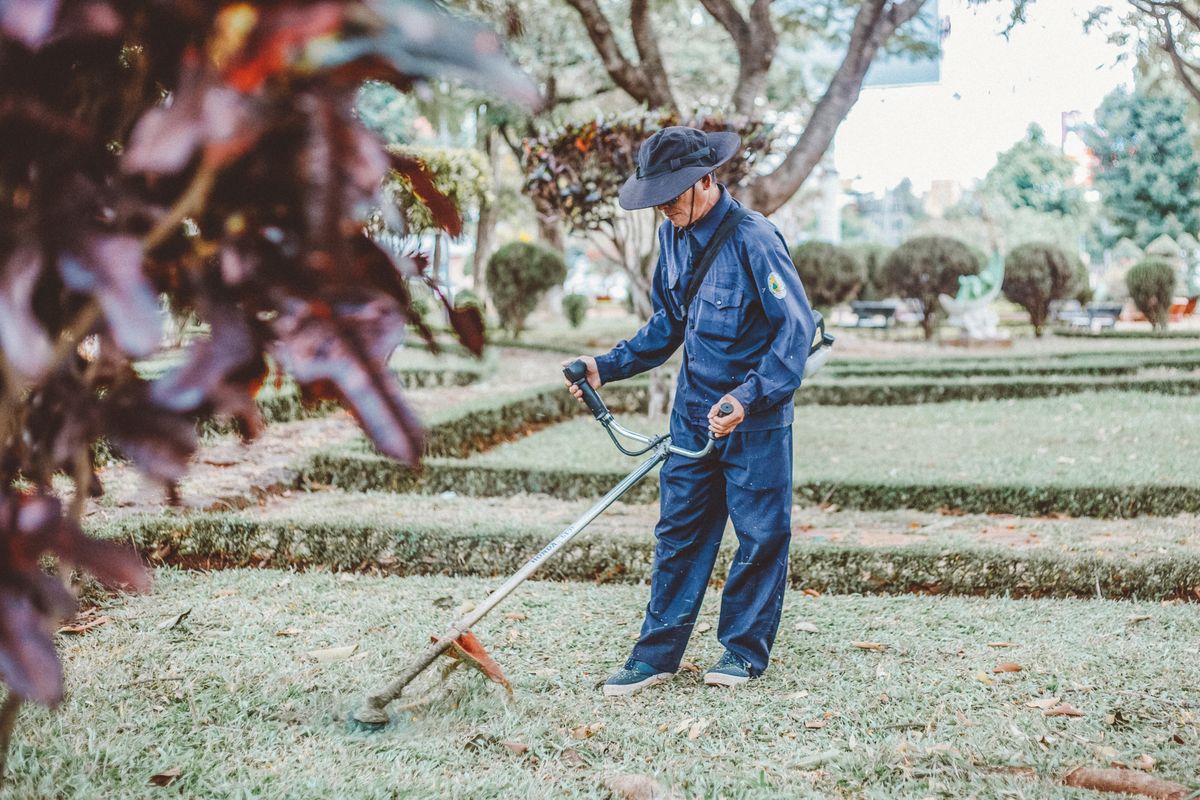
Photo by Nam Phong Bùi on Pexels
By Tondio Team · AI-generated content
The real ground-level truth about running a lawn care operation in summer — scheduling, equipment, pricing, and surviving peak season heat.
Lawn Care Jobs in Summer: What the Work Actually Looks Like Week to Week and How to Price Your Time
Most people who search for lawn care jobs in summer are picturing something simple — get a mower, cut some grass, get paid. The reality is that summer lawn care is a logistics puzzle wrapped in 95°F heat, compressed into shorter and shorter workable windows as July and August grind on.
If you're thinking about picking up seasonal work or launching your own solo operation, you need the ground-level truth — not a career blog telling you to "network with local clients" and "invest in quality equipment." This is what the actual week-to-week work looks like, what it costs you physically and financially, and how to price your time so you're not burning yourself out for $12 an hour with no benefits.
Let's get into it.
How Summer Compresses Your Schedule (and Why That Changes Everything)
Here's the thing nobody warns you about: summer doesn't give you more time to work — it gives you less.
In spring, you might reasonably work from 7:00 AM to 5:00 PM without serious heat stress. By mid-July, once the heat index pushes past 100°F by 11:00 AM in most of the South and Midwest, your productive outdoor window shrinks to roughly 6:00 AM to 10:30 AM or picks back up after 5:00 PM in the evening. That's it. That's your day.
The July–August Compression Problem
When temperatures regularly hit 90–100°F by late morning, here's what happens to your operation:
- Crew productivity drops 25–35% in sustained heat above 95°F (OSHA recognizes this as a serious physiological reality, not an excuse)
- Equipment runs hotter — engines on zero-turns and walk-behinds are more prone to overheating when ambient temps are extreme
- Turf itself slows dramatically — cool-season grasses like tall fescue and Kentucky bluegrass go semi-dormant when soil temps exceed 85°F, meaning some clients genuinely don't need a weekly cut
- Client complaints spike because lawns look worse despite your best work — heat stress, drought stress, and chinch bug damage all look similar, and you'll be the one fielding calls
What this means for route planning: If you're running a solo operation and you had 30 clients on a weekly schedule in May, you probably need to cap yourself at 18–22 clients with a realistic summer schedule if you want to maintain quality and not destroy your body by August 1st.
A tighter route isn't a failure — it's smart operations. Use Tondio to map your client locations and cluster jobs geographically so you're not burning an hour of drive time between stops during that narrow morning window. Every wasted minute of windshield time in July is a minute you could have spent finishing a job before the heat shuts you down.
What a Real Summer Week Looks Like
Let's be specific. Here's a realistic 5-day summer week for a solo operator with 20 active clients:
| Day | Start | End | Jobs | Notes |
|---|---|---|---|---|
| Monday | 6:00 AM | 12:30 PM | 5 properties | Route clustered — NW quadrant |
| Tuesday | 6:00 AM | 1:00 PM | 5 properties | Includes 2 larger lots |
| Wednesday | 6:00 AM | 11:30 AM | 4 properties | Afternoon: equipment maintenance |
| Thursday | 6:00 AM | 1:00 PM | 5 properties | Route clustered — SE quadrant |
| Friday | 6:00 AM | 11:00 AM | 4 properties | Buffer for skips, weather, callbacks |
| Weekend | — | — | 0 | Rest. Seriously. |
Notice Friday has a buffer baked in. In summer, you will have skips, weather delays, and emergency rescheduling every single week. If you book yourself to 100% capacity Monday through Friday, one thunderstorm cascade on Wednesday afternoon puts you behind for the rest of the month.
Pro Tip: Track every skip, weather delay, and schedule change in Tondio so you have documentation at the end of the season. When clients ask why their bill looks different in August than in May, you can pull up exact visit history and show them — not argue about it.
The Equipment Minimum for a Profitable Solo Operation
Let's kill the myth that you can run a sustainable summer operation out of the back of a pickup with a $300 Craigslist mower. You can start lean, but there's a floor below which you're just losing money to downtime and callbacks.
Here's the actual minimum equipment list for a solo operator to be profitable from day one:
Primary Cutting Equipment
Option A — The Residential Route Setup (properties under 10,000 sq ft):
- 36" or 48" stand-on or walk-behind mower ($3,500–$6,000 new, $1,500–$3,000 used commercial)
- 21" self-propelled push mower for gates and tight areas ($350–$600)
Option B — Mixed or Larger Property Setup:
- 52" or 60" zero-turn mower ($6,000–$9,000 new, $3,000–$5,500 used commercial)
- 21" push mower for detail work ($350–$600)
The zero-turn math works out quickly: on a 10,000 sq ft property, a skilled operator on a 52" ZTR finishes the mow in roughly 20–25 minutes. A 21" push mower takes 60–75 minutes. That's 40 minutes per lawn you're losing. At 5 properties a day, you're leaving 3+ hours of productive time on the table — enough for one or two additional jobs.
Supporting Equipment You Actually Need
- String trimmer: Budget $250–$400 for a commercial-grade unit. Residential trimmers die fast under daily use. Brands like Husqvarna, Stihl, and Echo have parts that are easy to source.
- Blower: A backpack blower in the 600–700 CFM range ($300–$500). A handheld blower on a summer schedule is a waste of your time.
- Spare blades: Minimum 2 sets of blades per mower deck. Dull blades in summer heat tear grass rather than cutting it, which opens the door to disease and browning. You should be sharpening or swapping blades every 8–10 hours of cutting time.
- Fuel capacity: Carry enough to run a full day without stopping. A 5-gallon gas can plus premix for 2-stroke equipment. Summer heat means your fuel evaporates faster — cap everything.
- Basic hand tools and belts: Blade removal wrench, spare belts for your deck, air filter replacements. In summer, air filters clog faster from dried grass dust. A clogged air filter can cost you 15–20% of engine power and lead to premature engine wear.
What You Can Wait On
- Trailer with built-in ramps (start with a basic open trailer — upgrade when you're consistently booked)
- Enclosed trailer with full setup
- Aerator or dethatcher (these are add-on services, not day-one essentials)
- Commercial edger (a good trimmer covers this until your volume justifies it)
Pro Tip: Before buying used commercial equipment, check that parts are still available and local dealers carry them. A $2,000 mower is worthless in peak season if you're waiting 3 weeks for a deck belt that nobody stocks.
How to Set Summer Pricing That Actually Makes Sense
This is where most new operators leave serious money on the table — or price themselves into situations that feel unfair by August.
Standard advice says to charge by the square foot or by the hour. Both approaches alone are wrong for summer. Here's why.
The Base Pricing Framework
Start with a minimum per-visit floor, not just a calculation. No matter how small the property, you have:
- Drive time and fuel
- Equipment wear (blades, belts, filters)
- Your time to load/unload
- Buffer for the unexpected
For most solo operators in 2025, a $45–$55 minimum per visit is the realistic floor that keeps you from working for nothing. In higher cost-of-living metros, that floor is $60–$75.

Photo by Sergei Starostin on Pexels
From there, layer in square footage:
- Up to 5,000 sq ft: $45–$65
- 5,001–10,000 sq ft: $60–$90
- 10,001–15,000 sq ft: $85–$120
- 15,001–20,000 sq ft: $110–$150+
These ranges reflect mow, trim, edge, and blow. Adjust upward for:
- Heavy trimming requirements (overgrown fence lines, dense beds)
- Difficult terrain or slopes
- Excessive dog waste (yes, this is a legitimate upcharge — $10–$15 minimum)
- Gate access requiring equipment swaps
The Summer Pricing Adjustments Nobody Talks About
Here's where operators who wing it get burned.
Drought Skip Policies
When your area hits a dry stretch and cool-season grasses go dormant, some clients will want to pause service. You need a written drought skip policy before the season starts, not after the first client texts you in July.
Two common models:
-
Flat summer retainer: Client pays 60–70% of their normal monthly rate during skip months to hold their spot on your route. You skip but remain available. This works well for established, high-value clients.
-
Pay-per-visit with a restart fee: Clients can skip but pay a one-time restart fee ($25–$40) when service resumes. This covers your route planning disruption and the extra cleanup a missed week usually creates.
Do not let clients skip for free with no structure. You've held their slot, turned down other clients, and your route is now inefficient because you have a gap in it.
Heat-Related Schedule Disruptions
Summer thunderstorm patterns in much of the U.S. (particularly the Southeast) mean you will lose 3–6 workable days per month in July and August to weather. Your pricing needs to absorb this.
The simplest approach: price your annual workload across 10 billable months instead of 12. If your target annual revenue is $60,000, that's $6,000/month across 10 months — not $5,000/month across 12. Your clients still get service (or a fair skip policy), but your pricing reflects the operational reality of what summer actually costs you.
Pricing Summer Add-On Services
Heat stress season is actually a good opportunity to upsell services if you know what you're doing:
- Spot treatment for heat/drought stress: Applying a wetting agent like a silicone-based surfactant at 1–2 oz per 1,000 sq ft can improve moisture penetration in compacted summer soils. Charge $35–$65 per application depending on property size.
- Granular fertilizer applications: In summer, cool-season grasses need minimal nitrogen — a light application of a 5-10-10 or similar low-nitrogen fertilizer is appropriate if the lawn is actively growing. Warm-season grasses like Bermuda and Zoysia, however, hit their peak growth in July and benefit from a 24-0-11 or 32-0-10 application at 0.5–0.75 lbs of nitrogen per 1,000 sq ft. Charge $60–$125 depending on property size.
- Irrigation audits: If you're comfortable with it, a basic sprinkler head check during your visit adds $40–$75 and keeps clients happy when they're worried about water bills.
Use Tondio to log add-on services alongside your regular visit records. That running history of what you've applied, when, and at what rate makes upselling these services next season dramatically easier — and it protects you if a client ever questions whether you applied something.
Pro Tip: Build your summer add-on menu in late spring and mention it to clients in a short email before July hits. Clients who trust you are far more likely to say yes to extras before a problem appears than after they're staring at a stressed lawn.
The Physical Reality: What the Work Actually Does to Your Body
Let's be straight with you: summer lawn care is physically brutal, and underestimating that is the most common reason new operators quit or get hurt by September.
Walking behind a mower in direct sun for 4–5 hours in 90°F+ heat is a legitimate heat illness risk. OSHA's heat index guidelines flag anything above 91°F as requiring active precautions.
Here's what you should be doing every single day:
- Pre-hydrate before you start. 16–20 oz of water before you load the truck. Do not wait until you're thirsty — thirst is already a sign of mild dehydration.
- Electrolytes, not just water. Sweating heavily depletes sodium, potassium, and magnesium. Straight water for 5 hours leads to cramps and fatigue. Use electrolyte tablets or drinks with at least 300–500 mg of sodium per serving.
- Wear a cooling towel. Sounds minor, but draping a wet cooling towel around your neck during breaks lowers your core temperature measurably.
- Recognize the warning signs: Headache, dizziness, nausea, cessation of sweating, or confusion are heat exhaustion/heat stroke warning signs. Stop work immediately and get to shade and cool water.
- Plan your hardest jobs for early in the day. The most physically demanding properties — large lots, slopes, heavy trimming — should be first on your daily route, not last.
Spraining an ankle, throwing out your back, or ending up in urgent care for heat exhaustion doesn't just hurt — it blows up your entire schedule for a week or more, and in peak season, that can cost you thousands in lost revenue and client relationships.
Summer Scheduling Checklist for Solo Operators
Use this as a pre-season and mid-season reference:
Before June:
- Finalize client list and cap at a sustainable number for summer (18–25 for solo operators)
- Cluster your route geographically into daily zones
- Send clients your summer skip and drought policy in writing
- Stock up on spare blades, belts, air filters, and oil
- Set up Tondio to log visits, track skips, and document property conditions with photos
- Price-check your current rates against the framework above
Weekly During Peak Season:
- Check 5-day weather forecast every Sunday — plan your buffer days
- Sharpen or swap blades every 8–10 hours of cutting time
- Monitor equipment air filters — clean or replace weekly in dry, dusty conditions
- Log every visit, including skipped visits with reason, in Tondio
- Note any visible lawn health issues (drought stress, pest damage, disease) with photos for client records
If You Need to Skip or Reschedule:
- Notify clients via text or email within 24 hours
- Document the reason in your job log
- Do not let more than 14 days pass between visits without client agreement in writing
- Reassess pricing at the 6-week mark of summer if skip patterns are significant
What You're Actually Building
If you do this right — route it smart, price it honestly, take care of your body, and document everything — a solo summer lawn care operation can net $45,000–$70,000 for a single operator in a full season. That's not hypothetical; that's what organized operators in most U.S. markets are genuinely clearing.
But the operators who hit those numbers aren't grinding 10-hour days in the midday sun with a $400 mower they bought off Facebook Marketplace. They're working compressed, efficient morning routes. They have a drought policy their clients agreed to in April. They know exactly what they made per hour on every property last July because they tracked it.
The summer lawn care business rewards discipline and preparation more than raw hustle. You can out-earn someone working twice your hours just by being smarter about your schedule, your equipment, and your pricing.
Start tracking your jobs, your time, and your service history now — not at the end of the season when you're trying to remember what happened. Tondio was built exactly for this: so the operational side of your lawn care business doesn't have to live in a notebook, a spreadsheet, and your memory all at once.
Your business is worth running like a business. Treat it that way from day one.